
Flea & Tick Treatment for Dogs
Filter
Categories
Brand
Product Form
Breed Size
Prescription Items
61 Items
$44.99 $40.49 Save 10% E PAW$44.99 $40.49 Save 10% E PAW- SALE
$198.15 Crossed Out$233.15 $178.35 Save 10% E PAW - SALE
$124.05 Crossed Out$145.95 $111.65 Save 10% E PAW - SALE
$192.55 Crossed Out$226.55 $173.30 Save 10% E PAW - SALE
$126.60 Crossed Out$148.95 $113.94 Save 10% E PAW - SALE
$186.95 Crossed Out$219.95 $168.25 Save 10% E PAW - SALE
$129.15 Crossed Out$151.95 $116.25 Save 10% E PAW - SALE
$173.85 Crossed Out$204.55 $156.45 Save 10% E PAW - SALE
$136.50 Crossed Out$160.59 $122.85 Save 10% E PAW - SALE
$166.35 Crossed Out$195.75 $149.75 Save 10% E PAW $19.79 $17.81 Save 10% E PAW$33.29 $29.96 Save 10% E PAW$63.99 - SALE
$190.55 Crossed Out$232.40 $171.50 Save 10% E PAW $54.95 $49.46 Save 10% E PAW$51.99 $69.95 $62.96 Save 10% E PAW$57.95 $52.16 Save 10% E PAW- SALE
$187.65 Crossed Out$228.86 $168.85 Save 10% E PAW
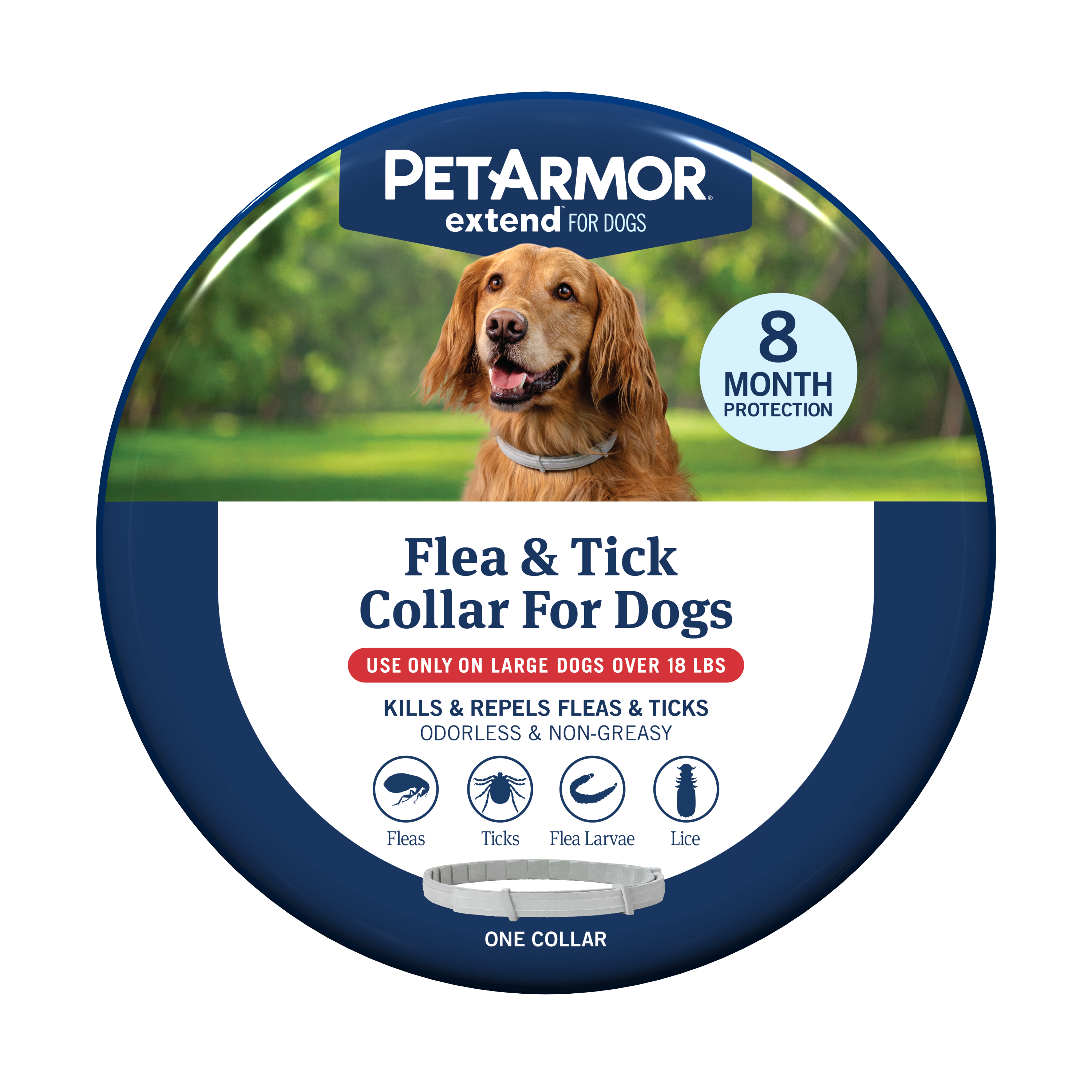
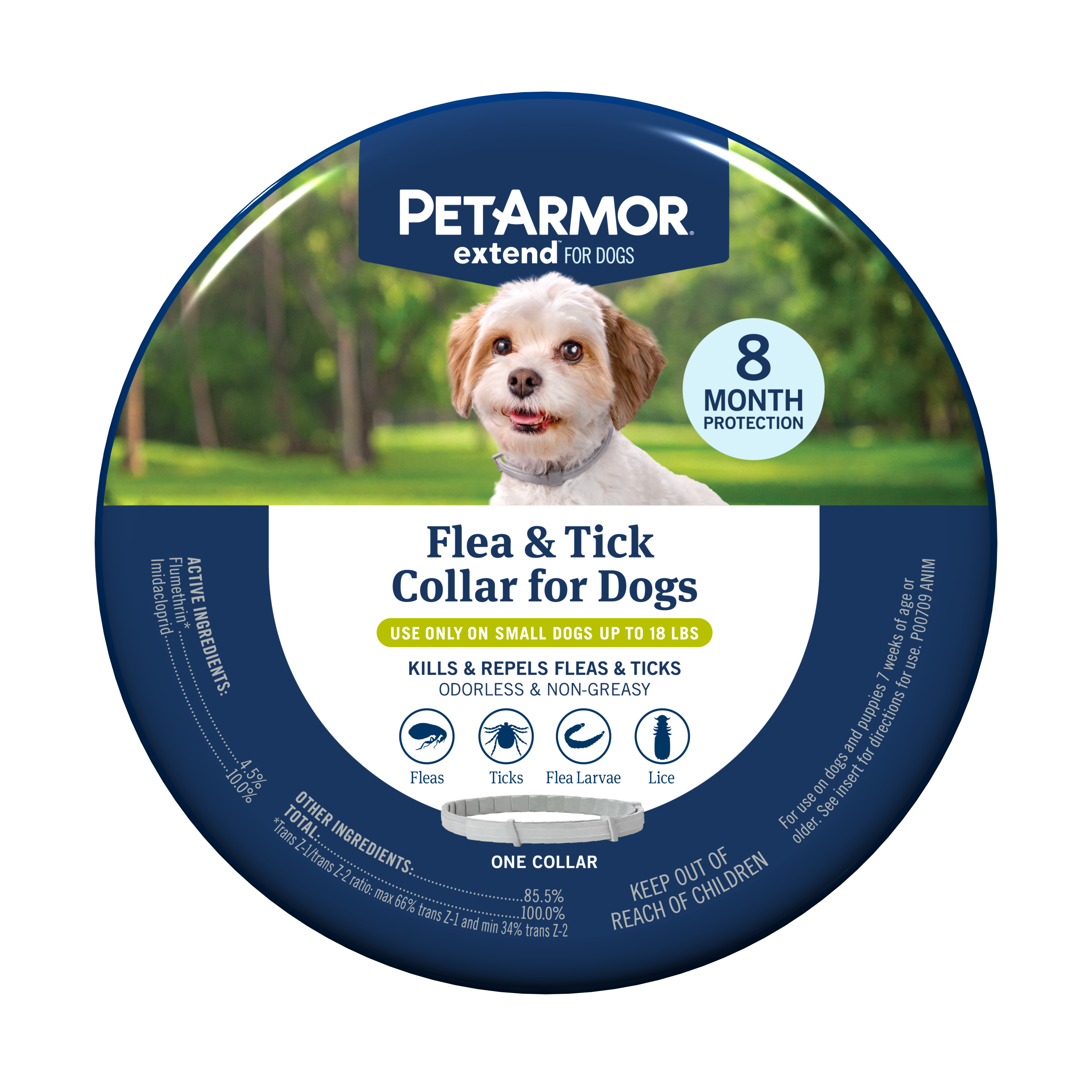
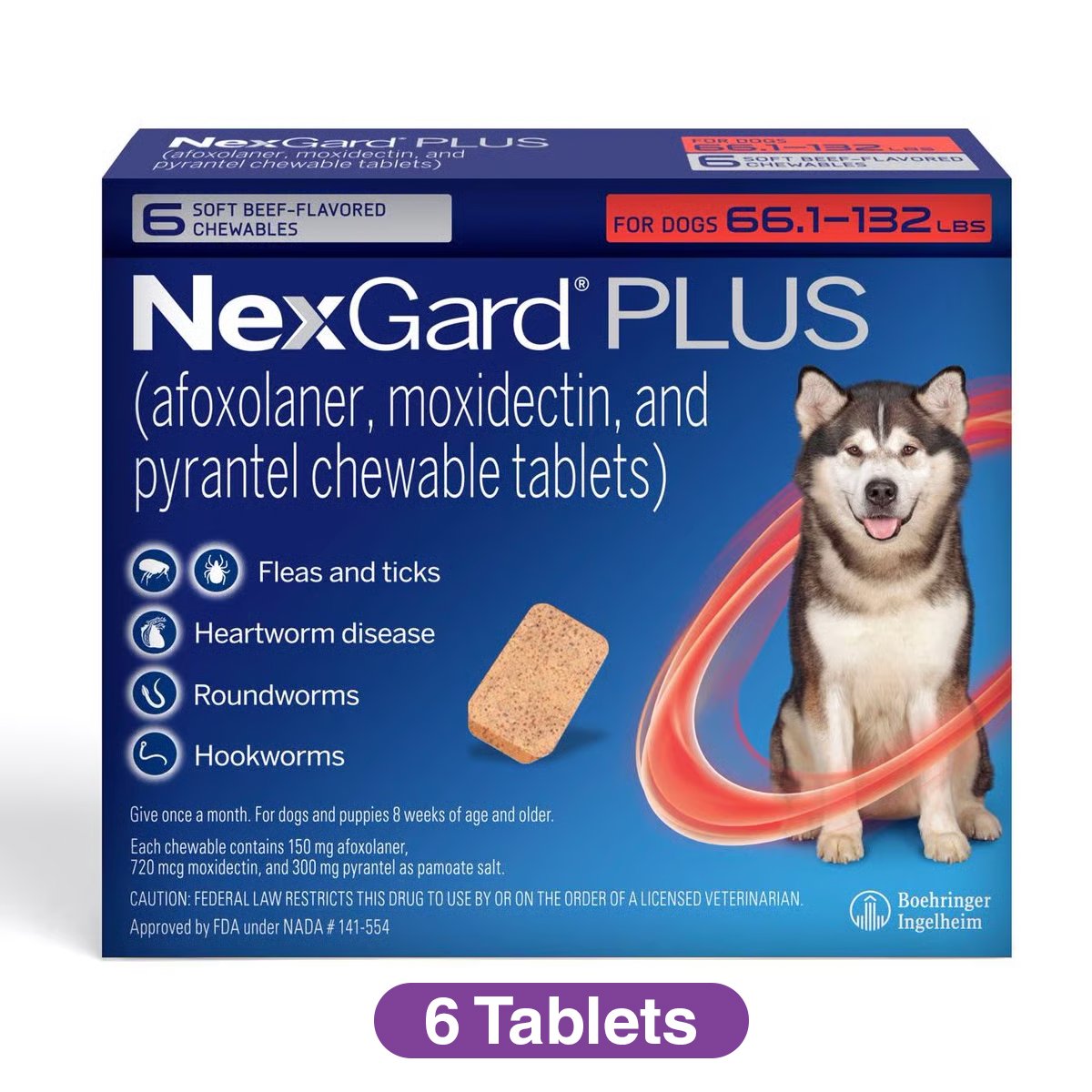
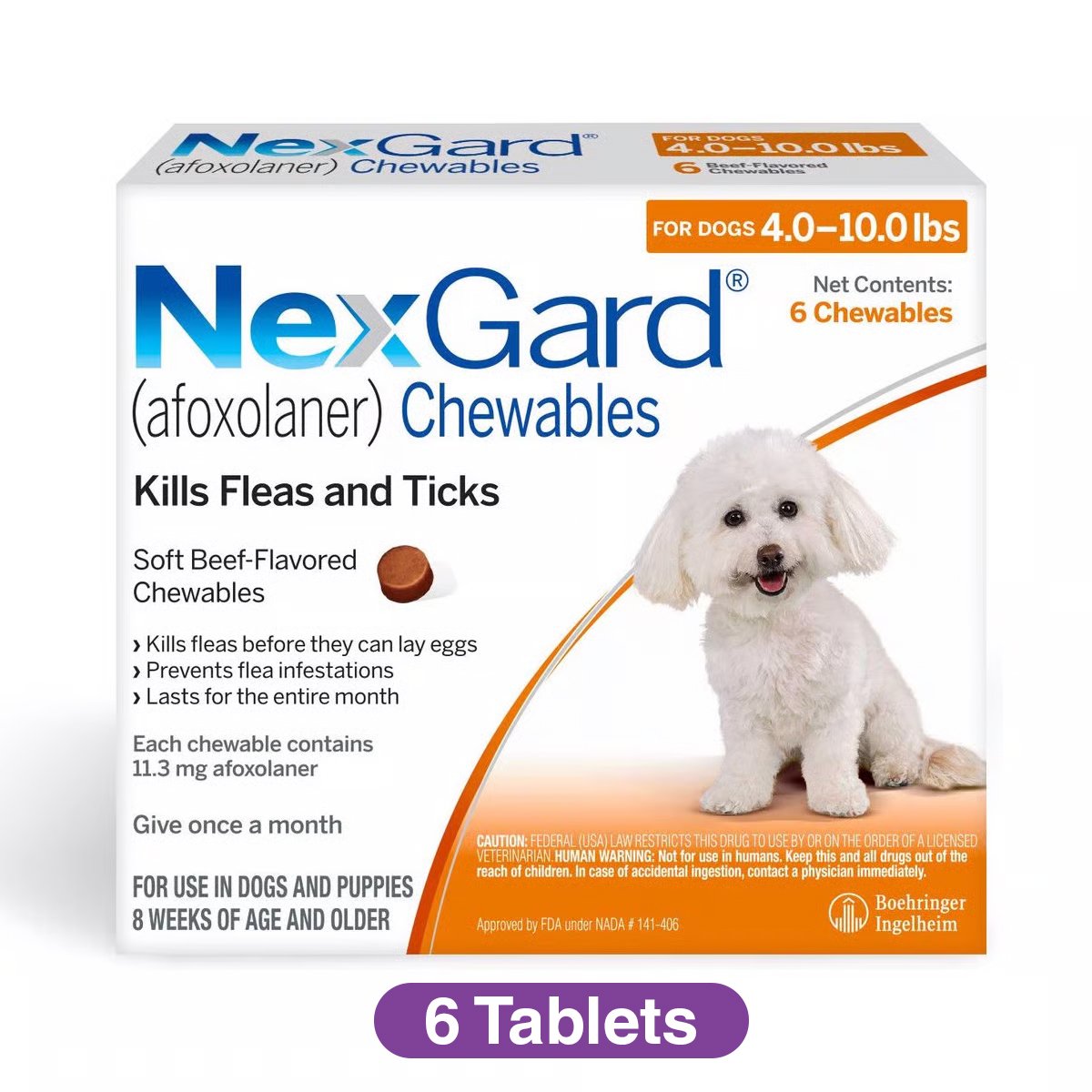
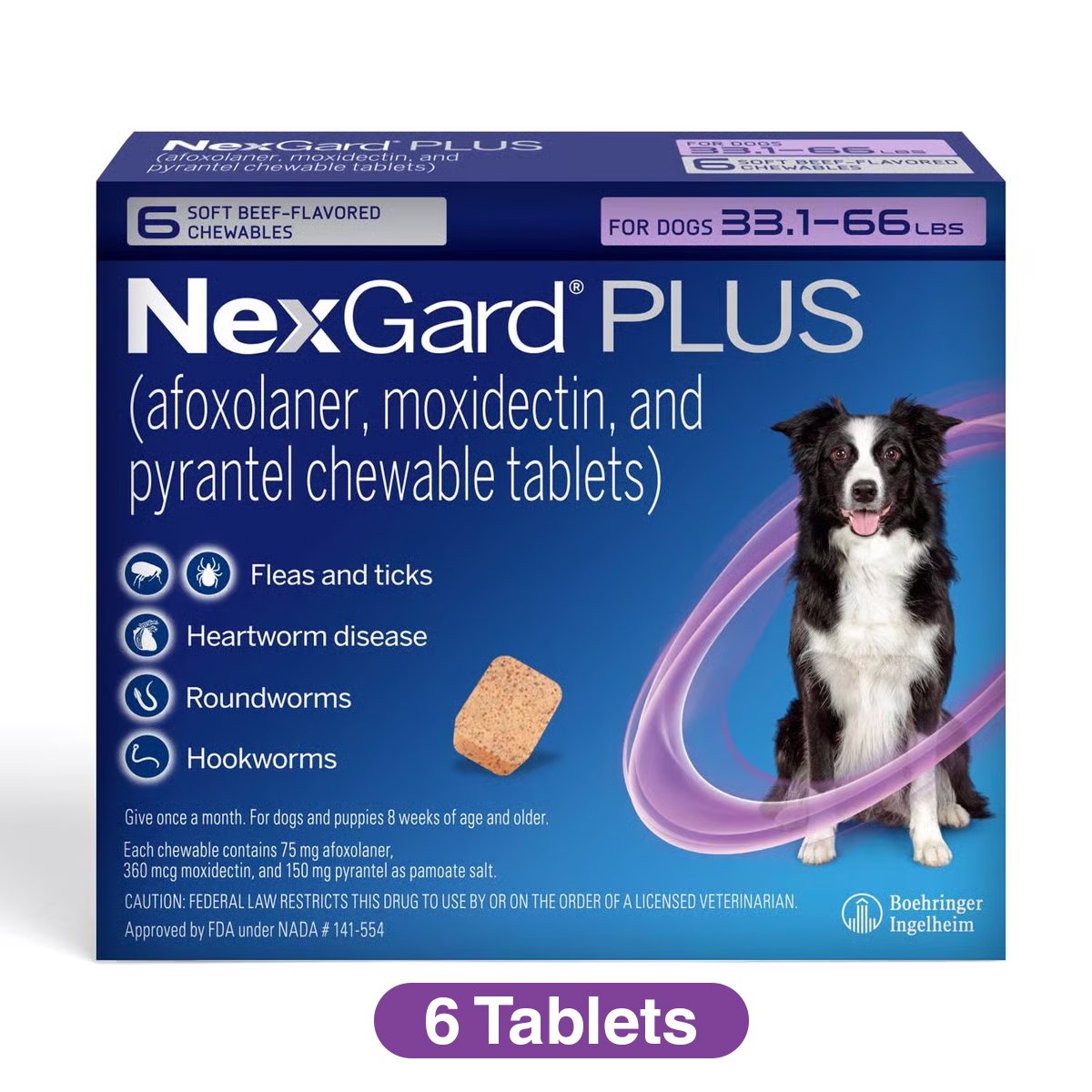
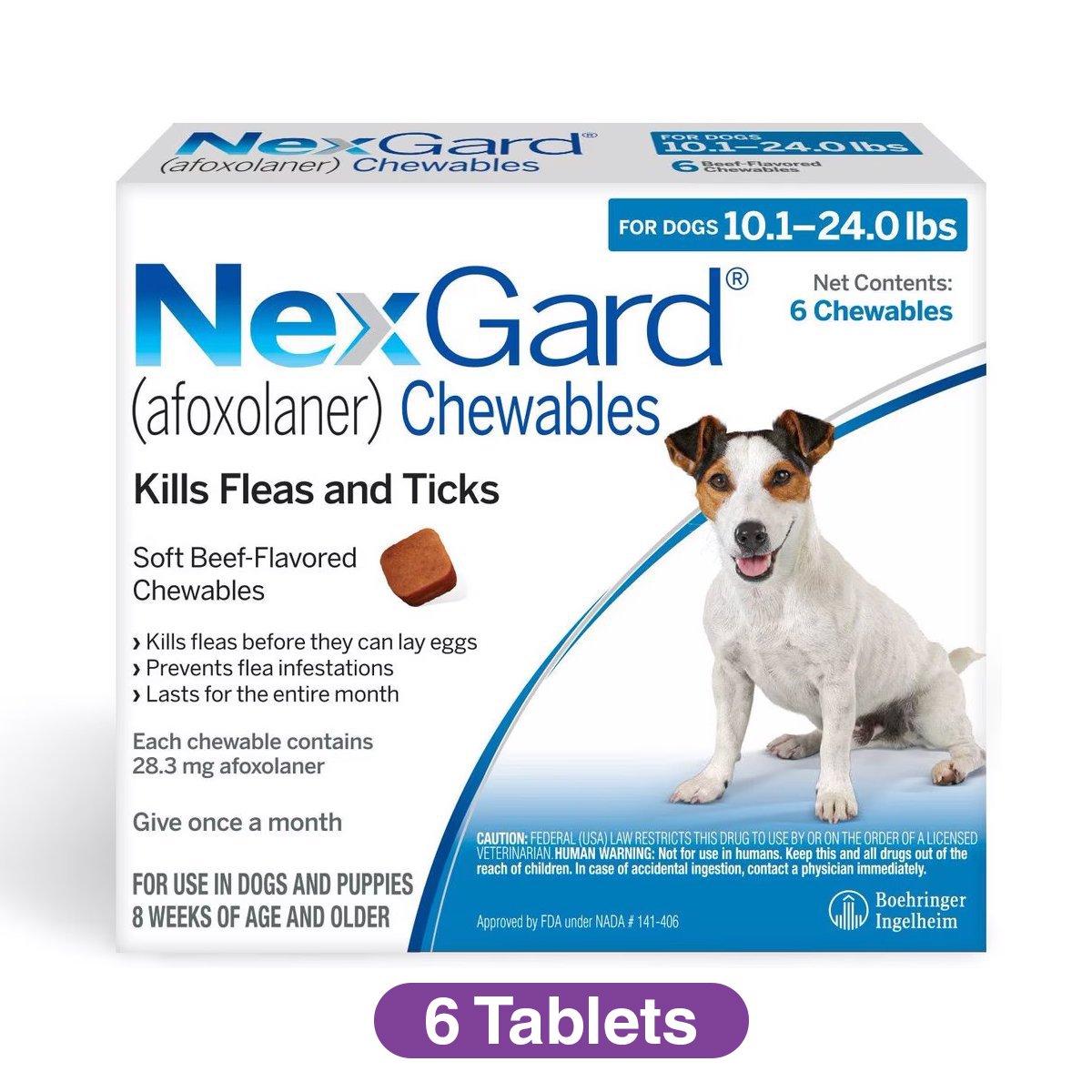
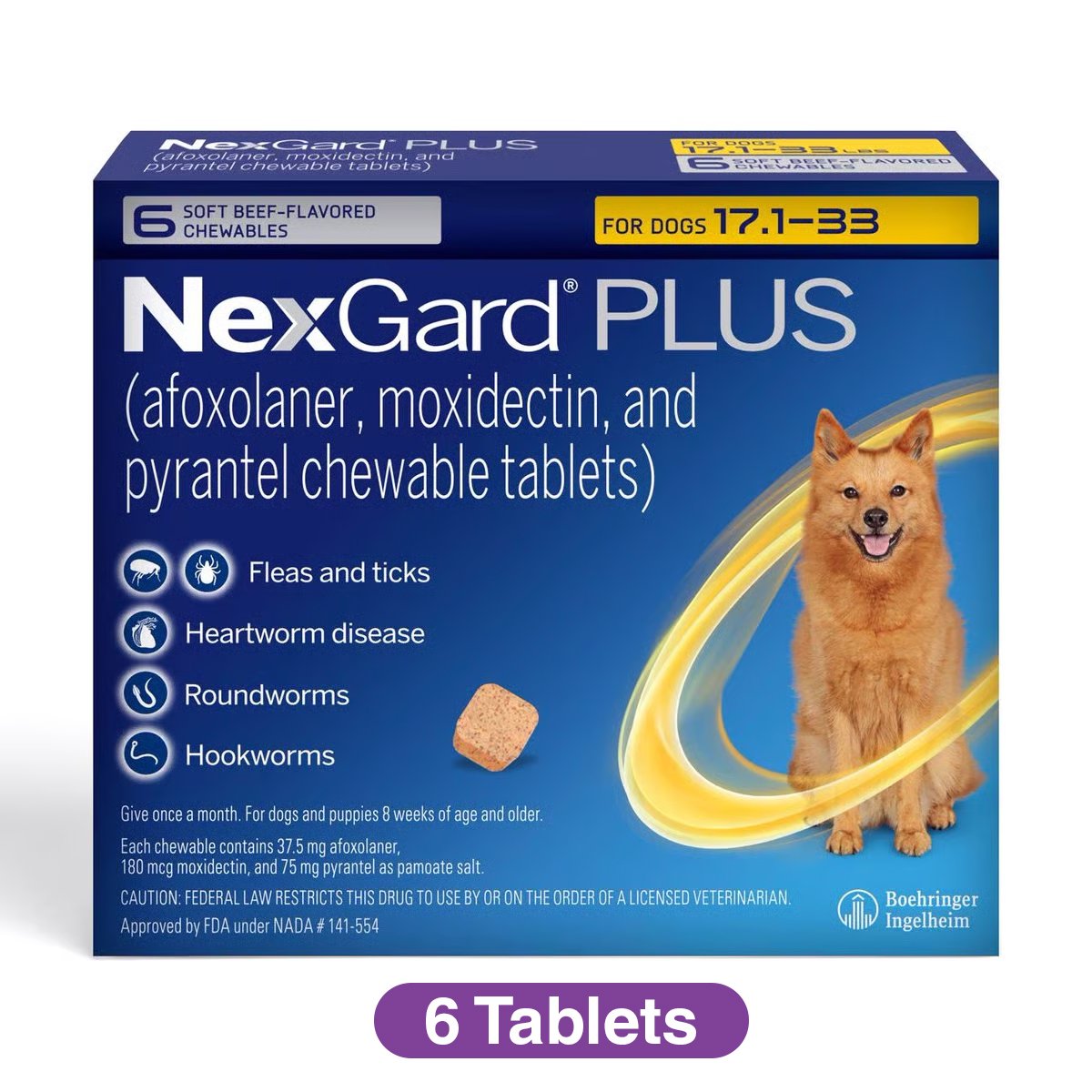
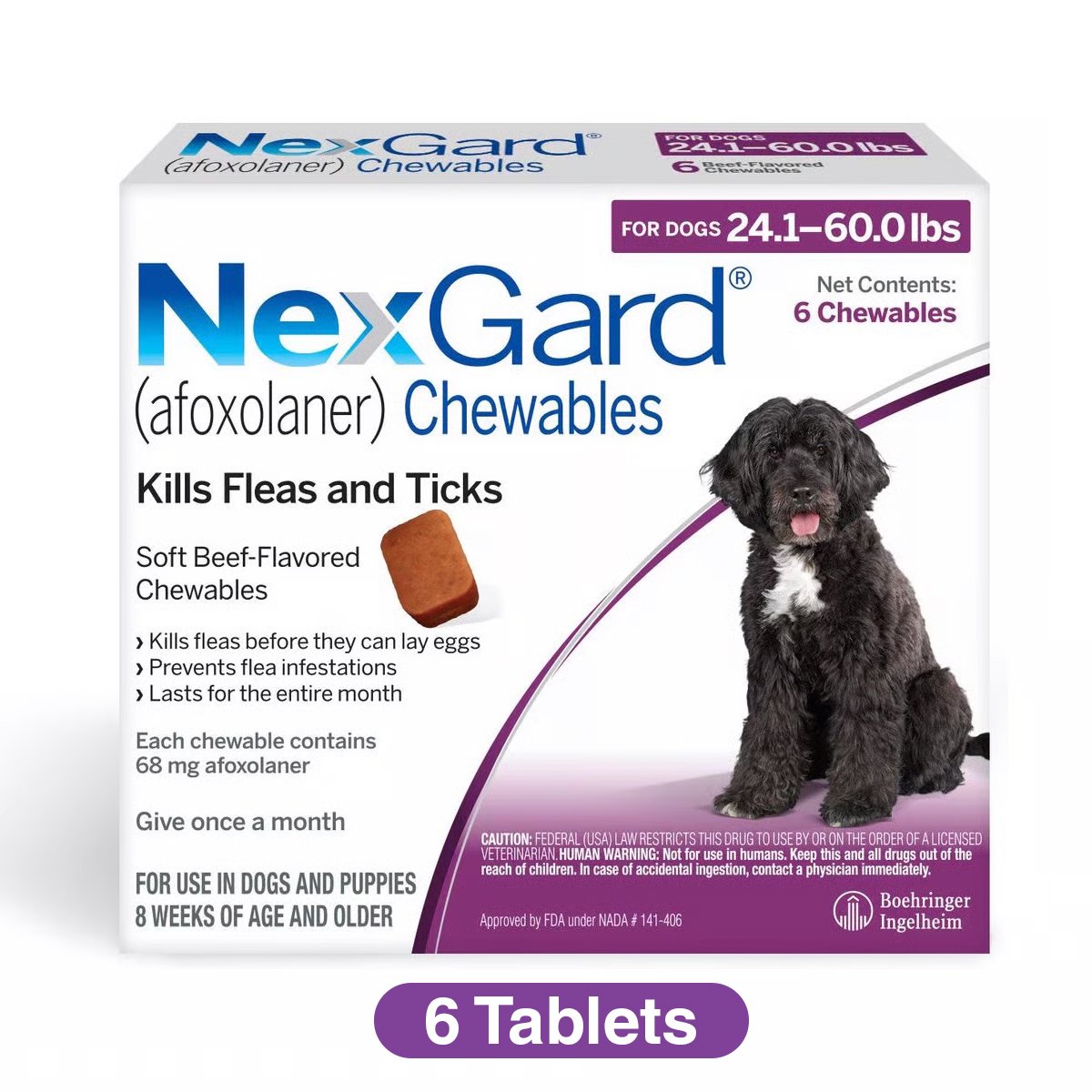
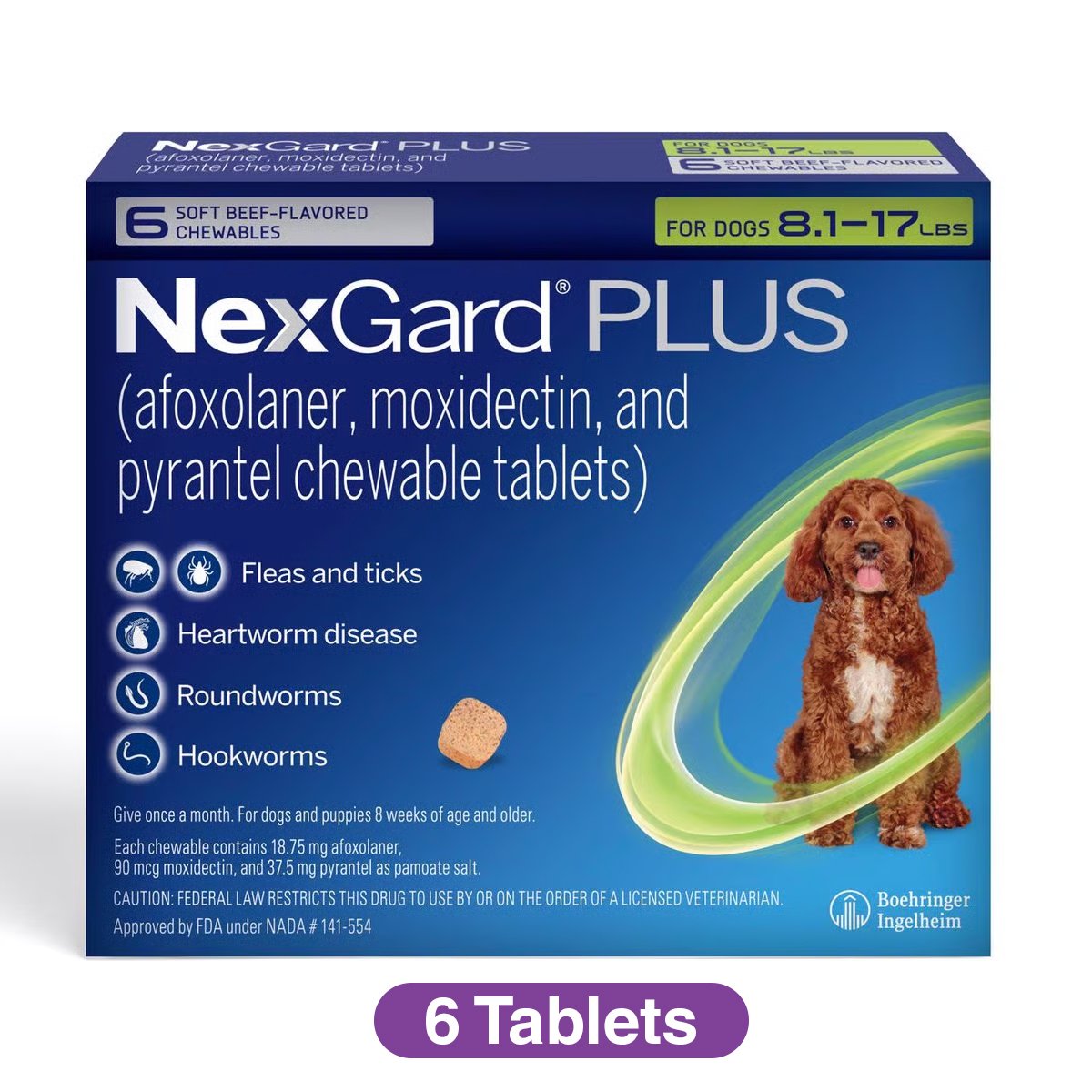
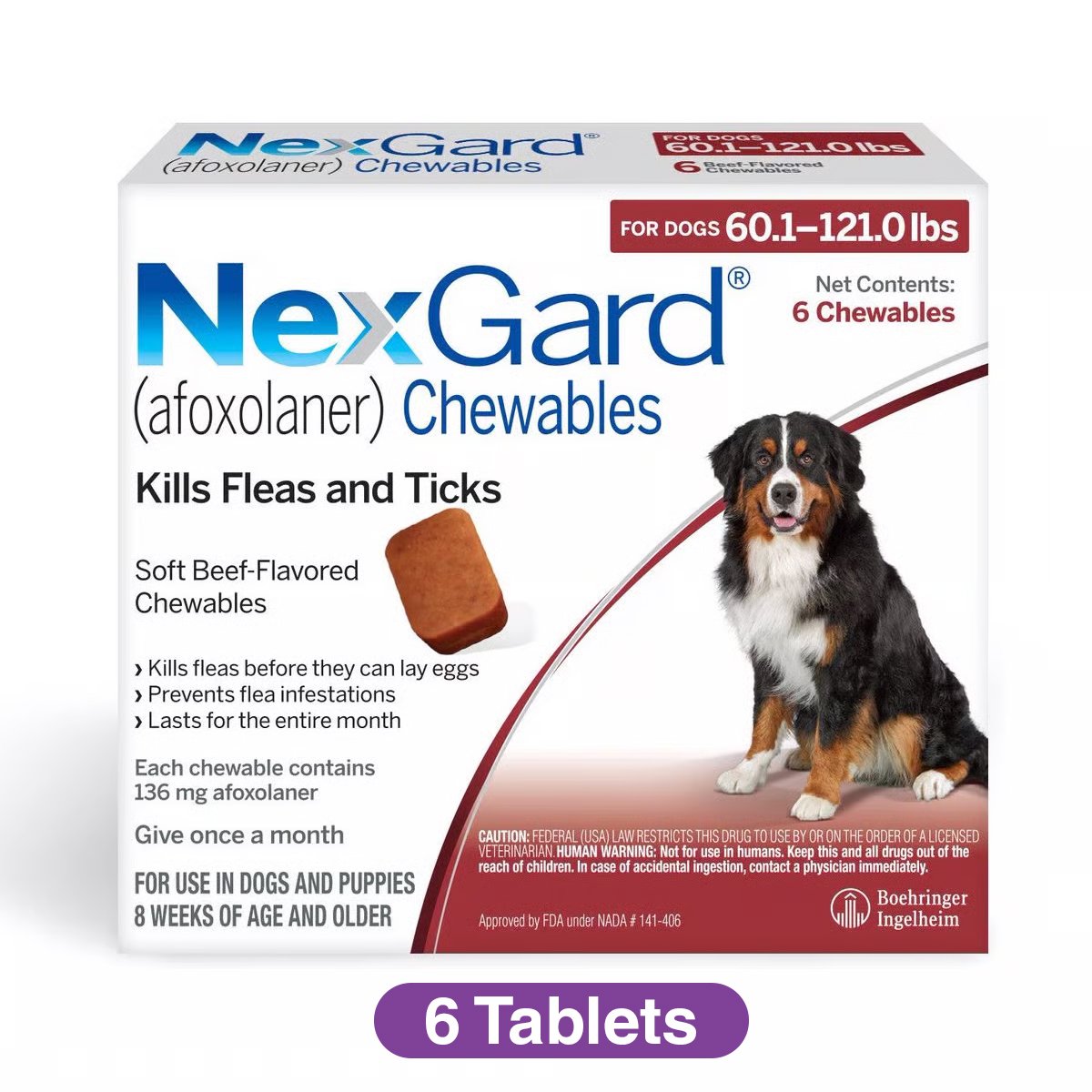
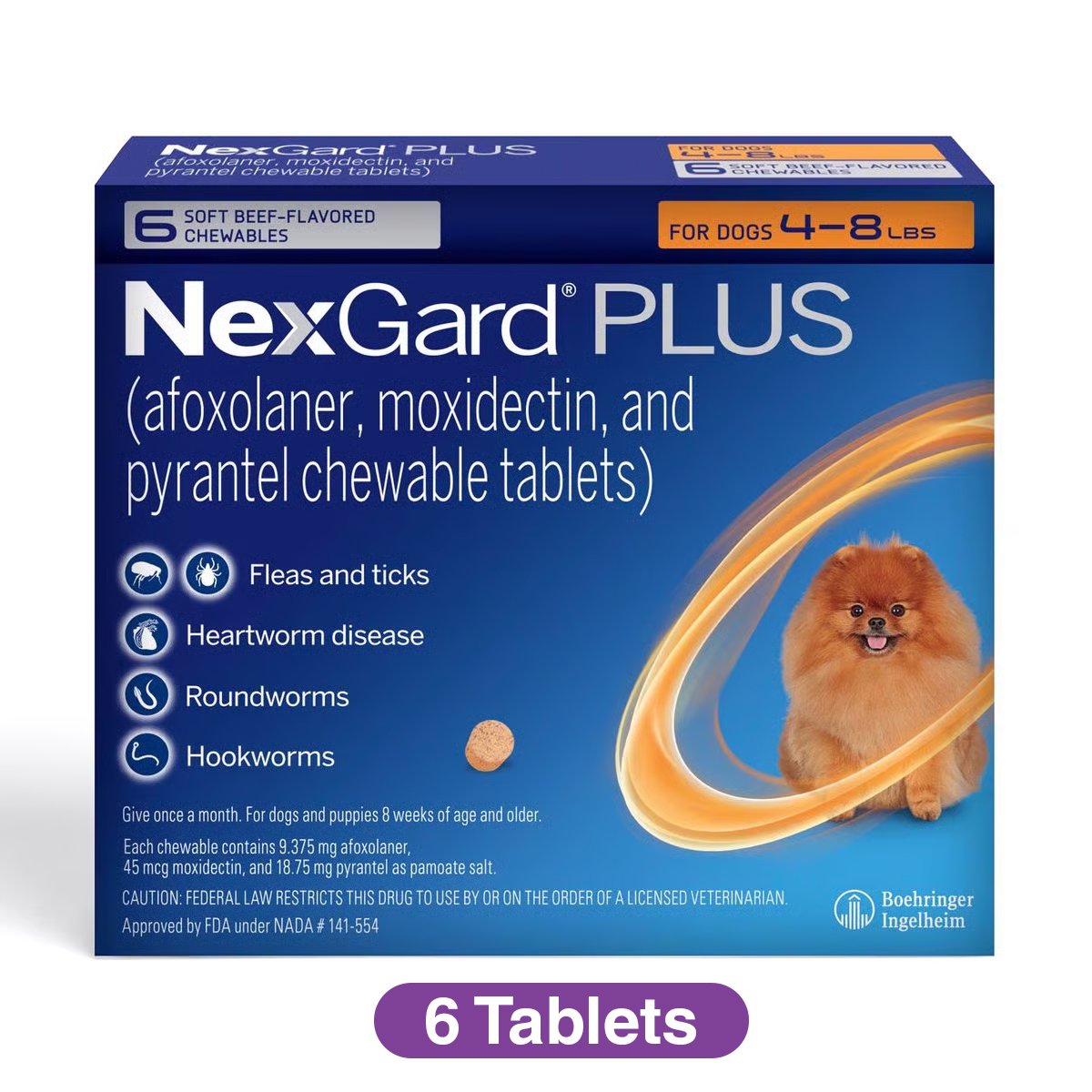
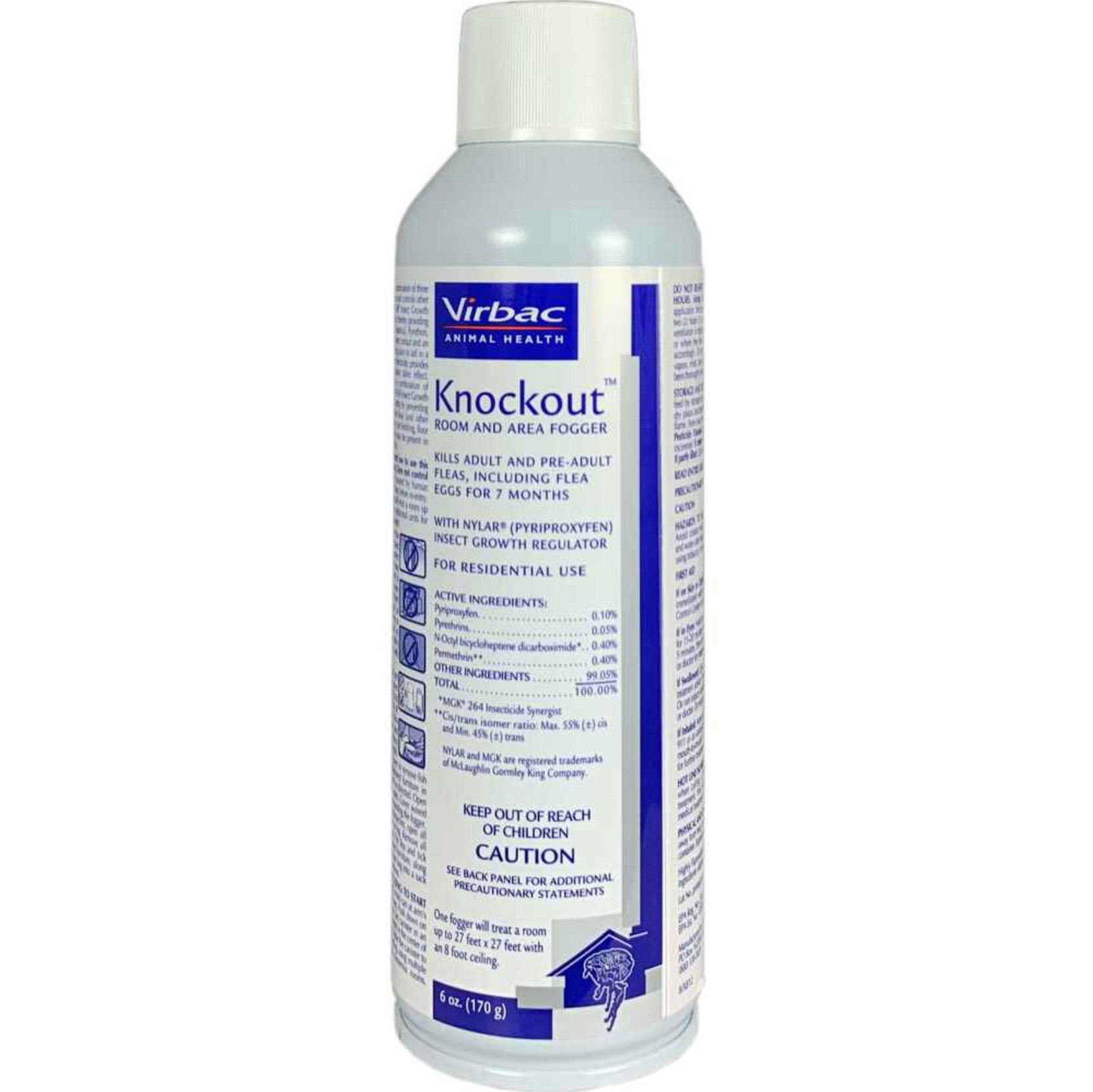
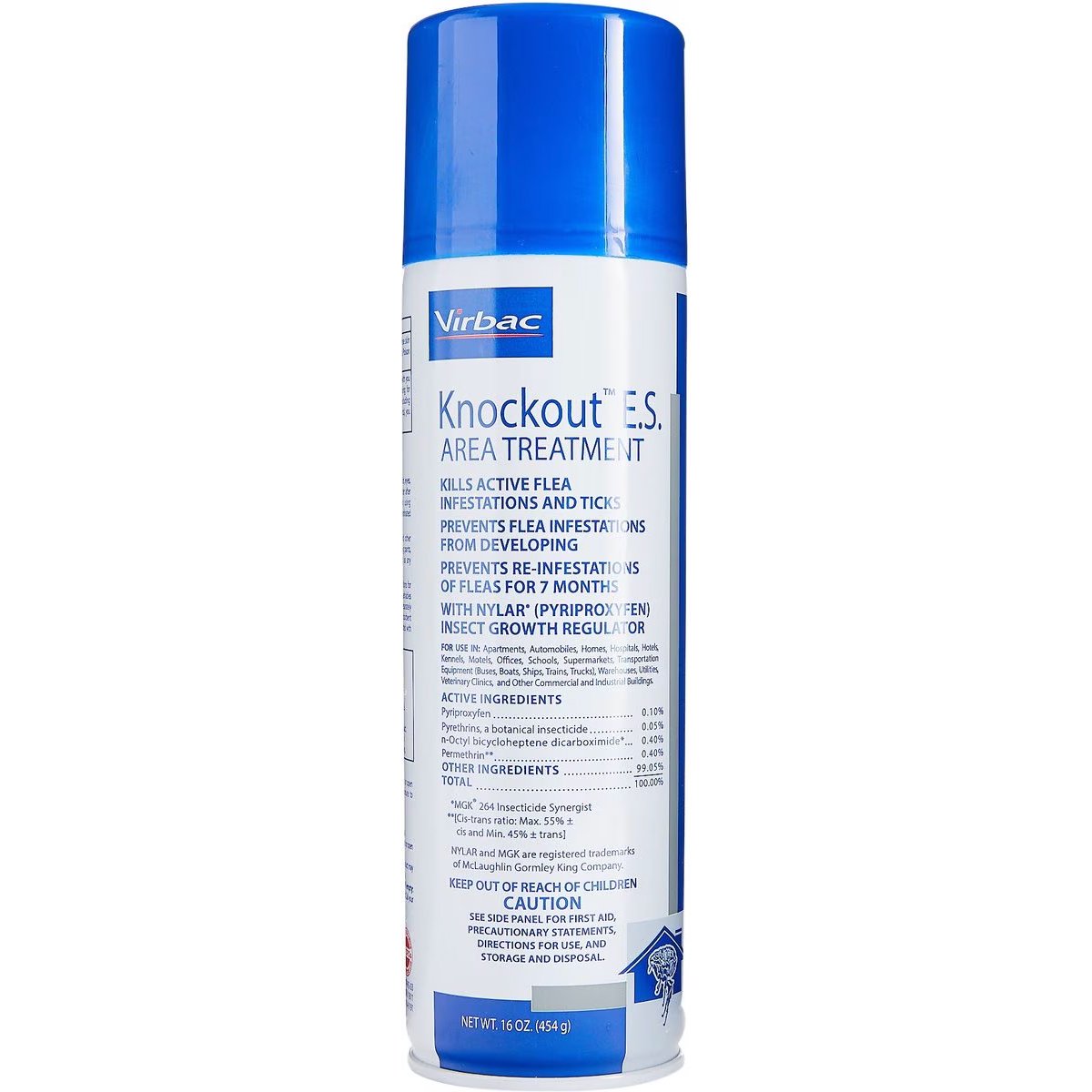
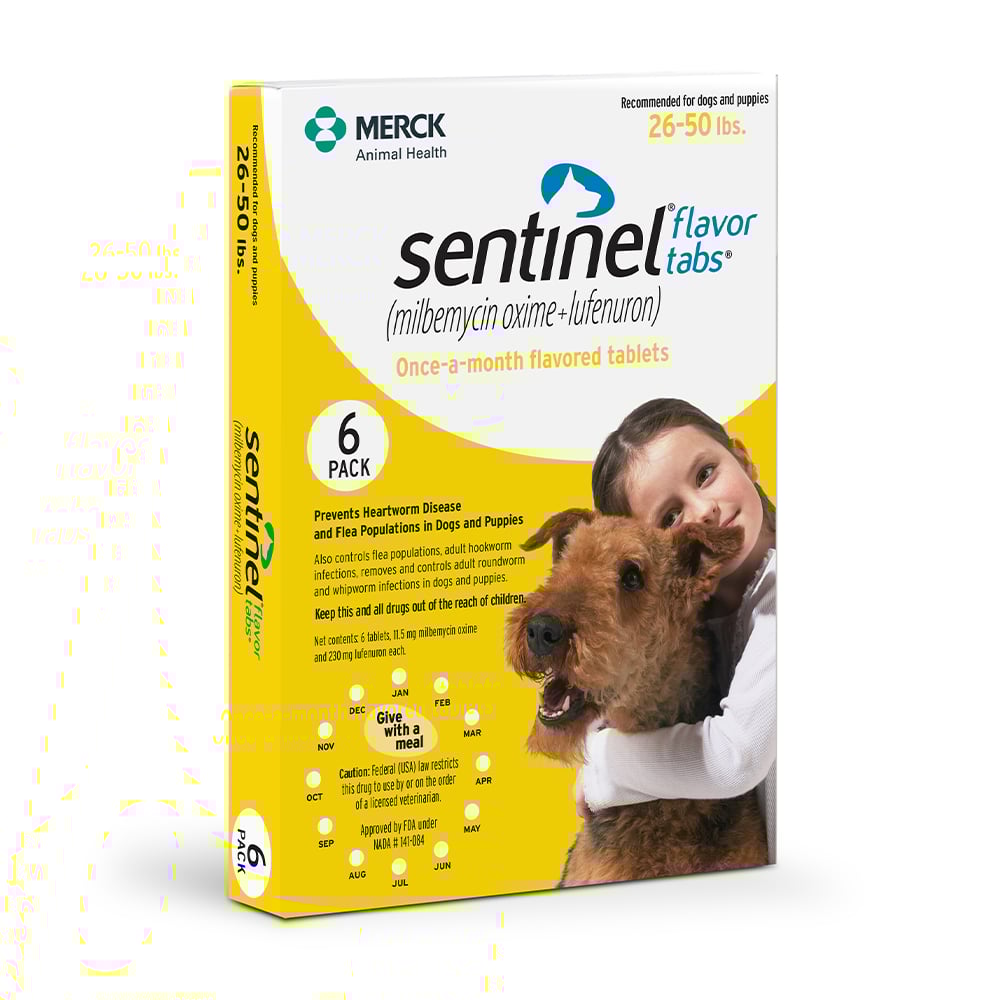
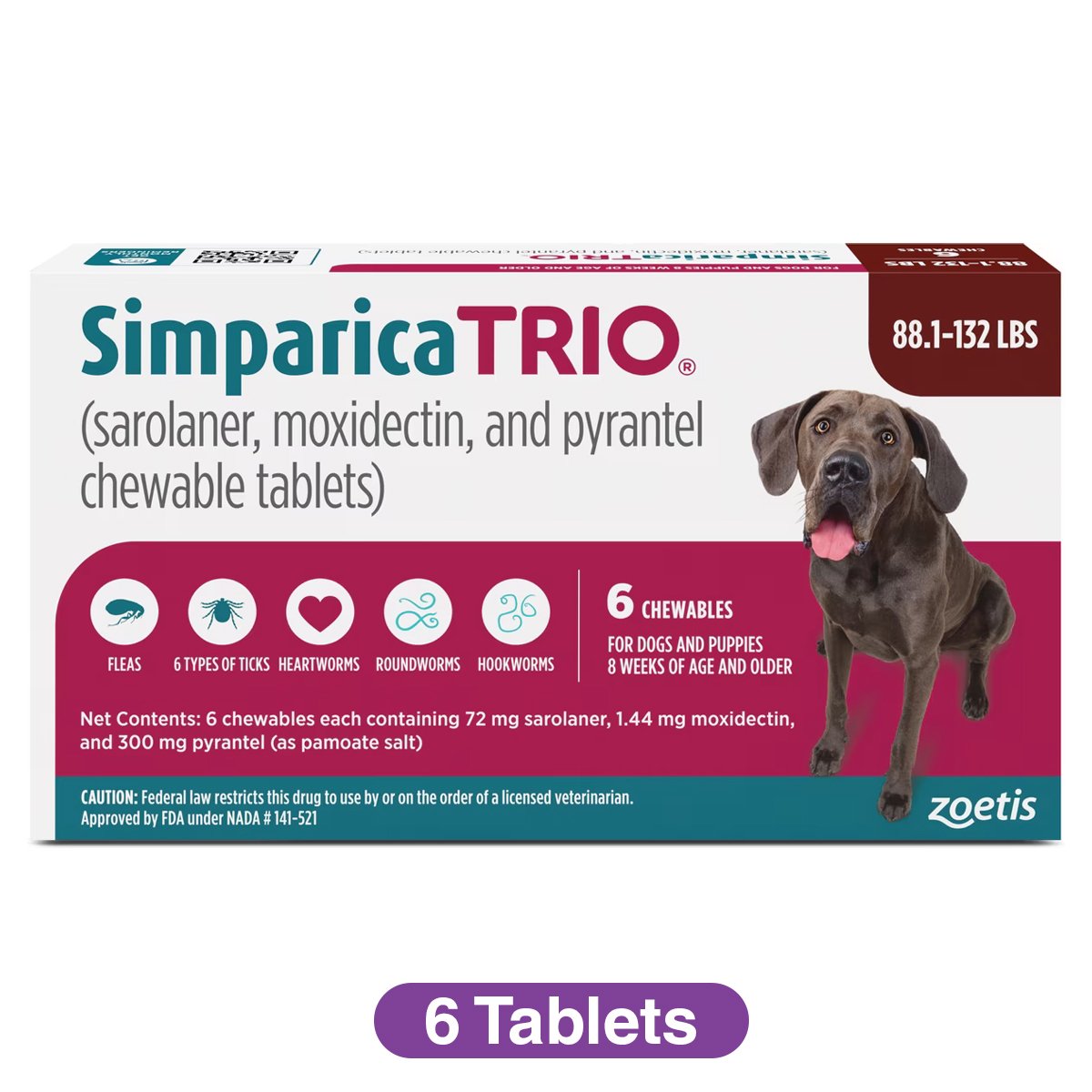
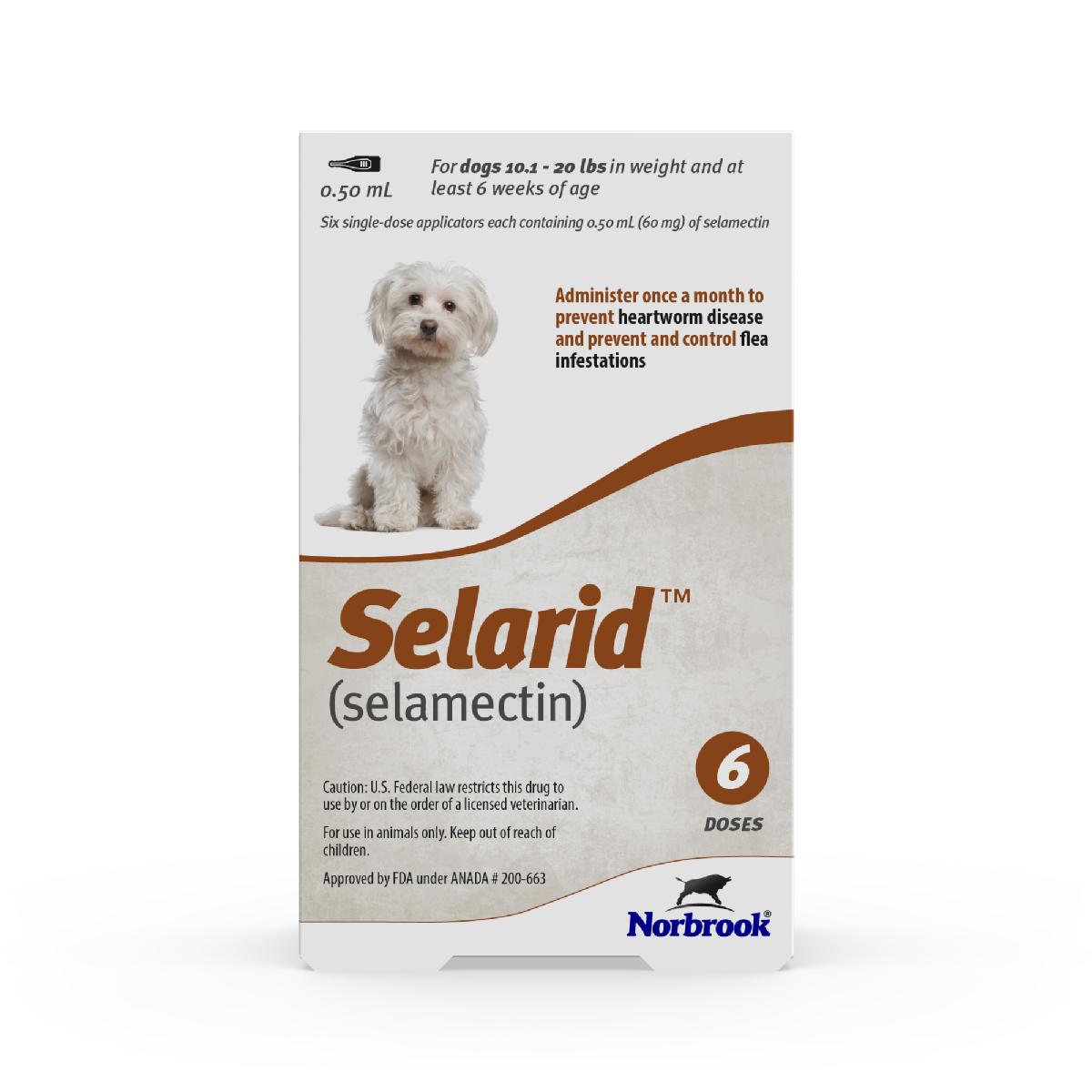
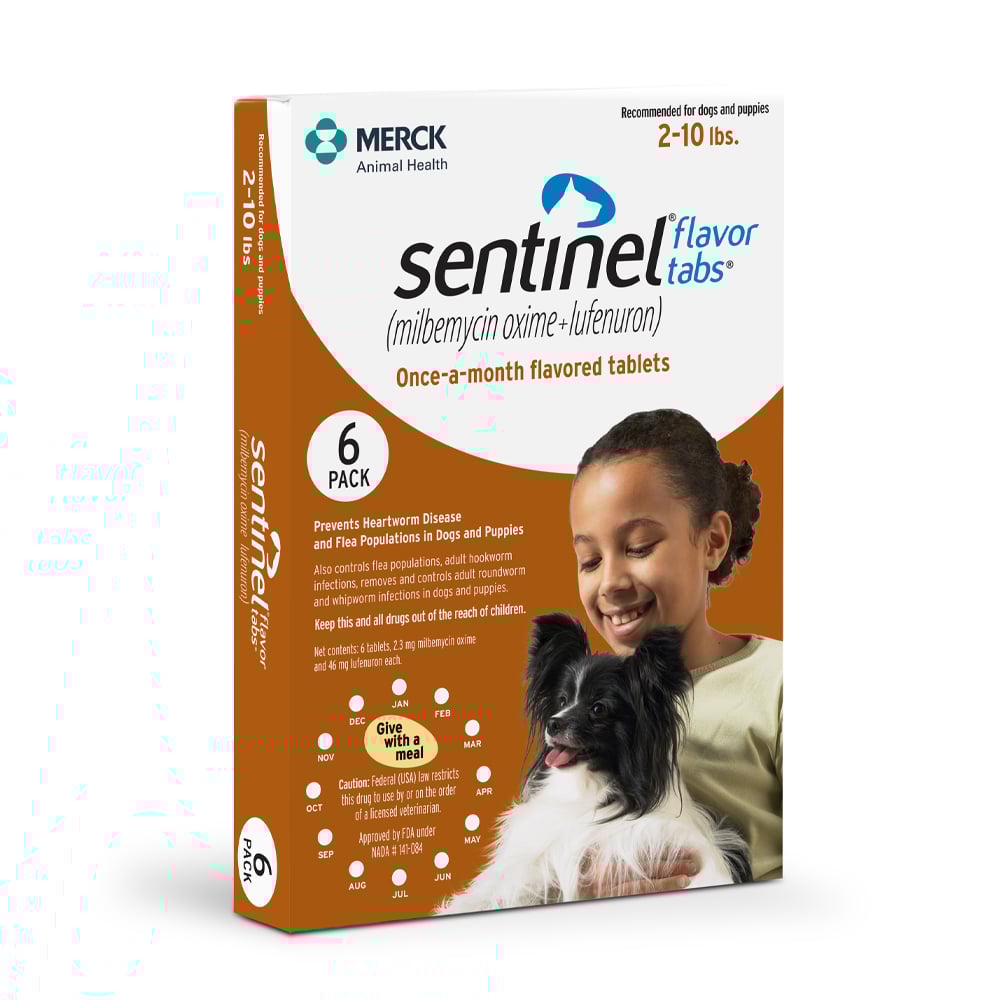
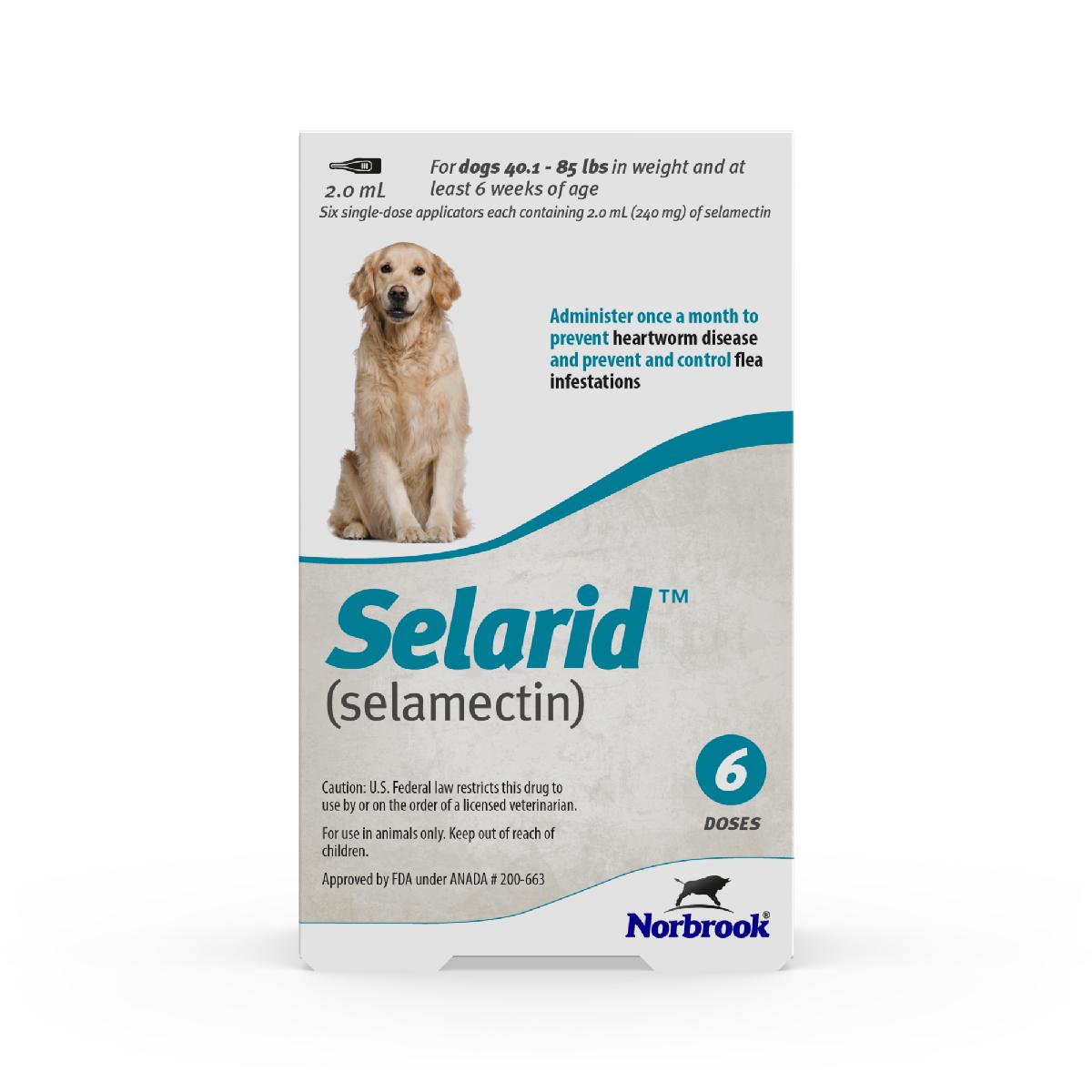
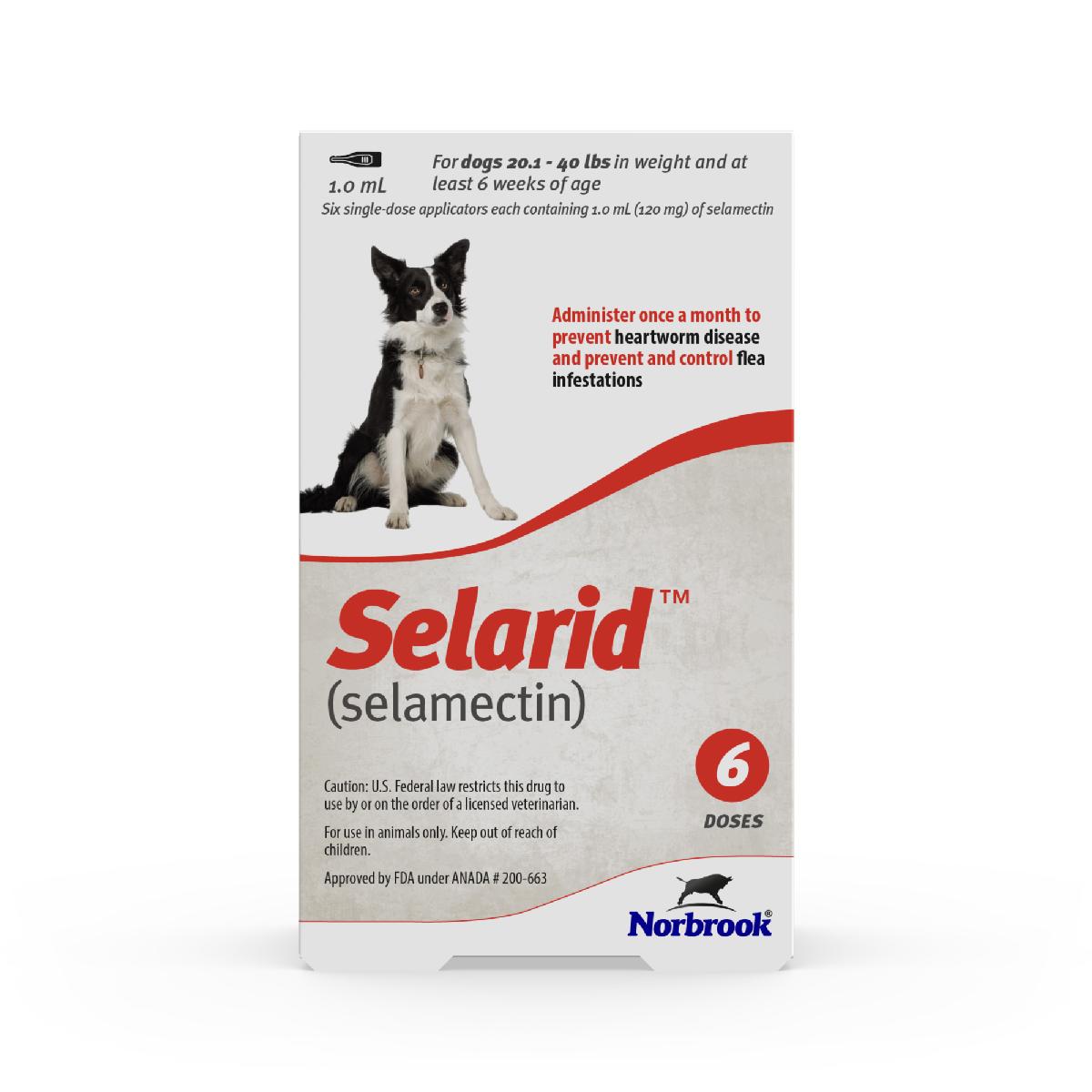
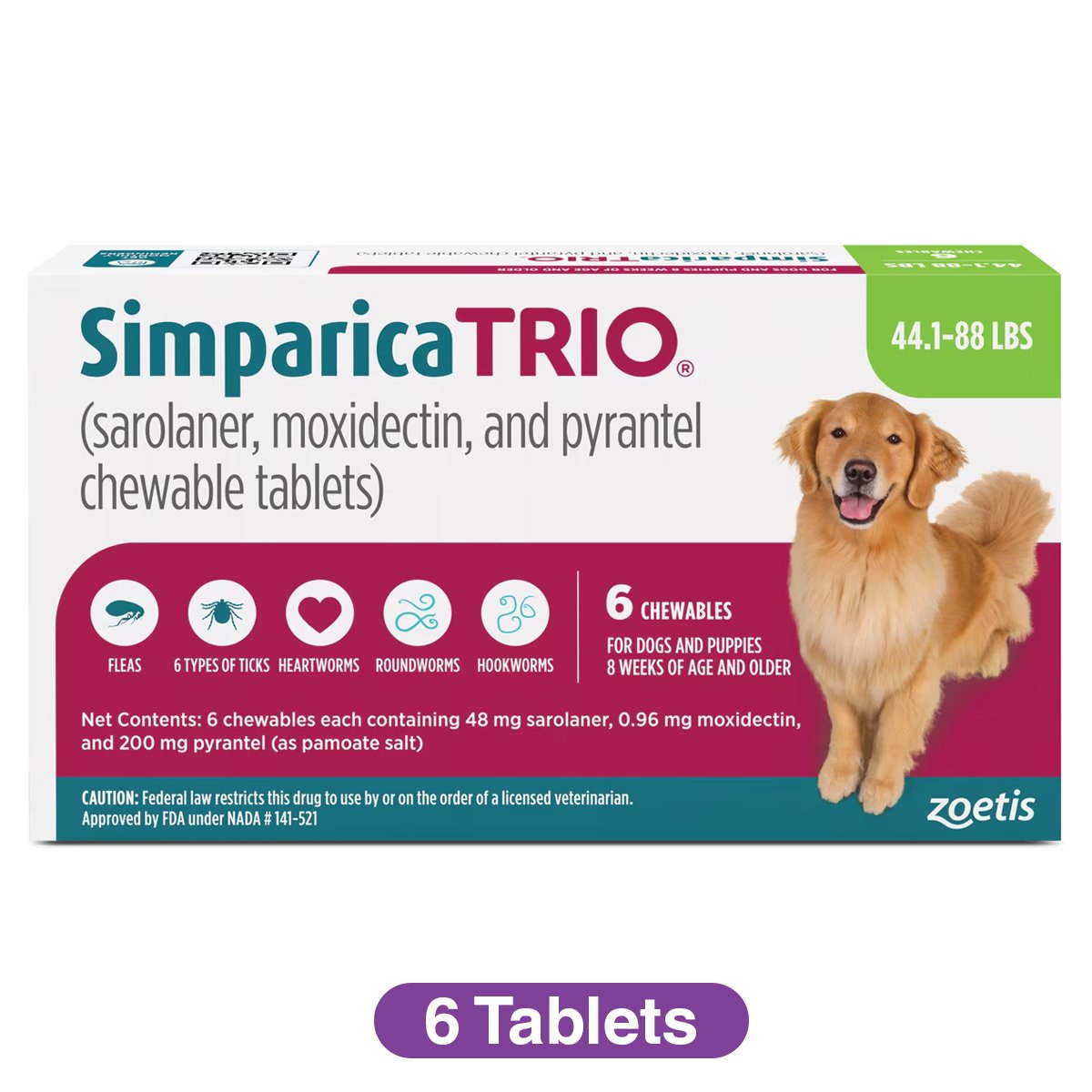
Flea and Tick Medicine for Dogs
Fleas and ticks can cause itching, skin infections, and transmit diseases that affect a dog’s overall health. Flea and tick care works by killing parasites after contact or preventing them from surviving on the skin. Common flea and tick treatment options include monthly oral chewables, topical applications, collars, and combination products that also target heartworms or intestinal parasites. The best option depends on a dog’s age, weight, health history, and daily exposure to outdoor environments and regional parasite risks.
Frequently Asked Questions
Why is flea and tick prevention important for my dog?
Fleas can trigger intense itching, allergic reactions, and skin infections that lead to hair loss or hot spots. Ticks attach to the skin and may transmit diseases that affect joints, organs, and energy levels. Once an infestation starts, it can spread quickly inside the home and affect other household pets. Consistent flea and tick care lowers the chance of these problems and helps maintain steady protection year-round, even during cooler months when parasites remain active indoors.
What types of flea and tick treatments are available for dogs?
Several treatment options fit different preferences and lifestyles. Oral chewables work systemically, killing fleas and ticks after they bite. Topical treatments are applied directly to the skin and spread across the coat. Collars release active ingredients over an extended period. Some products combine flea and tick control with heartworm and intestinal parasite prevention. The right choice depends on convenience, medical history, and a dog’s level of outdoor exposure, climate, travel habits, and household environment.
How often should I give my dog flea and tick prevention?
Most oral and topical preventatives are given once every 30 days. Some collars protect for several months at a time. Consistency plays a major role in keeping protection active, since missing doses can leave gaps that parasites take advantage of. Many veterinarians recommend year-round flea and tick control because indoor heating and mild winters allow pests to survive and continue breeding inside the home. Setting a monthly reminder helps maintain steady coverage and lowers the risk of preventable infestations.
Do I need a prescription for flea and tick medication?
Some flea and tick products are available over the counter, while others require veterinary approval. Prescription medications often contain newer active ingredients and may target multiple parasites in one dose. A veterinarian will consider age, weight, breed, and health history before recommending a product tailored to individual risk factors and lifestyle. Ordering prescription flea and tick prevention through a licensed online pharmacy like PetPawsRx offers convenience while still following proper veterinary guidance and secure prescription verification.
How do I choose the right flea and tick treatment for my dog?
Choosing the right product starts with understanding a dog’s risk factors. Dogs that hike, visit dog parks, or live in wooded areas may face higher tick exposure. Puppies, senior dogs, or pets with medical conditions may need special consideration. Reviewing label directions and discussing options with a veterinarian helps narrow the choices. Weight-based dosing is important for safety and effectiveness at every life stage. Once a product is chosen, sticking with the schedule supports long-term parasite control and ongoing protection.