
Hip and Joint Supplements for Dogs
Filter
Categories
Brand
Product Form
Breed Size
Prescription Items
47 Items
Your dog's hip and joint support may include many options. Today's medical advances provide us with supplements to increase joint health and nonsteroidal anti-inflammatory drugs (NSAIDS) to reduce pain.
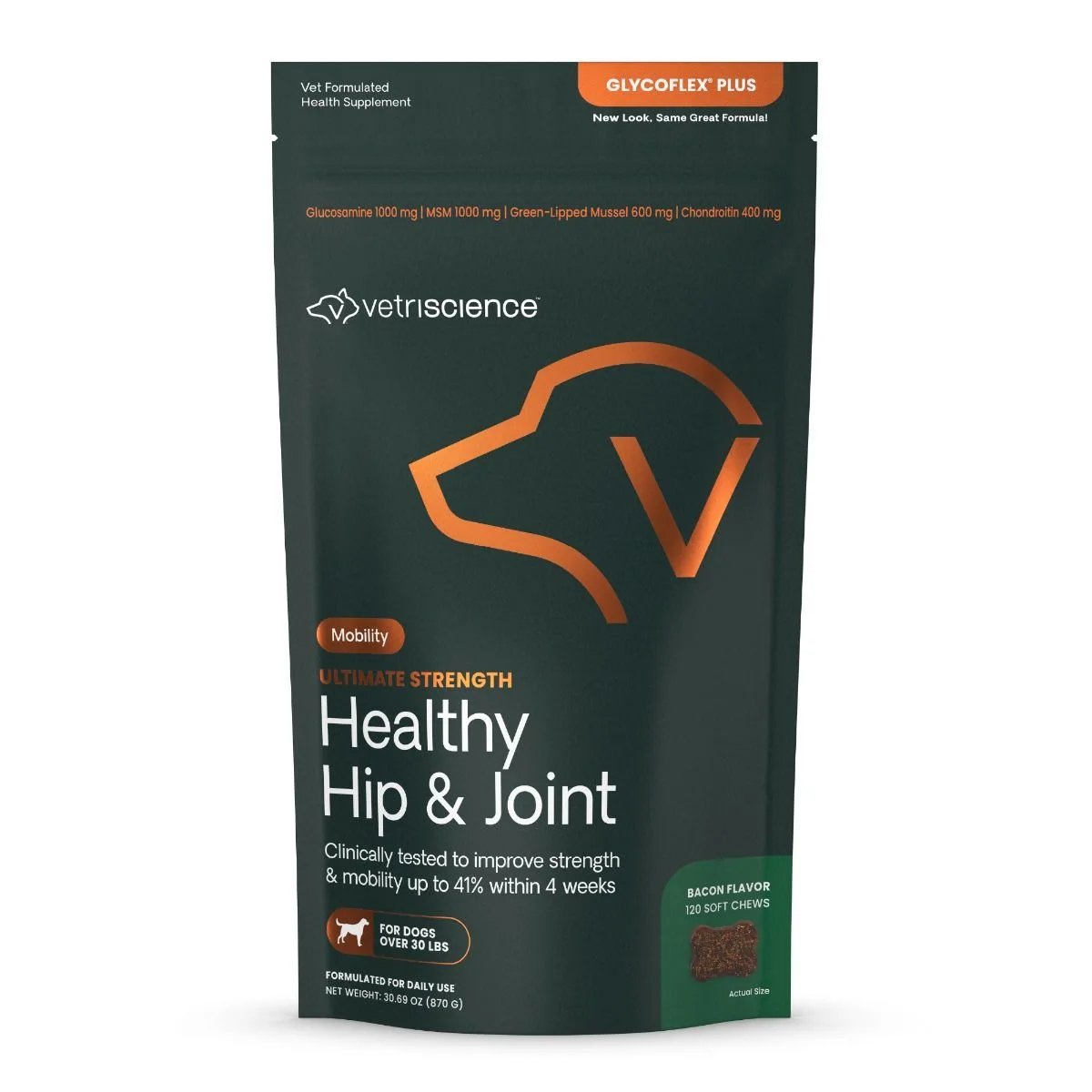
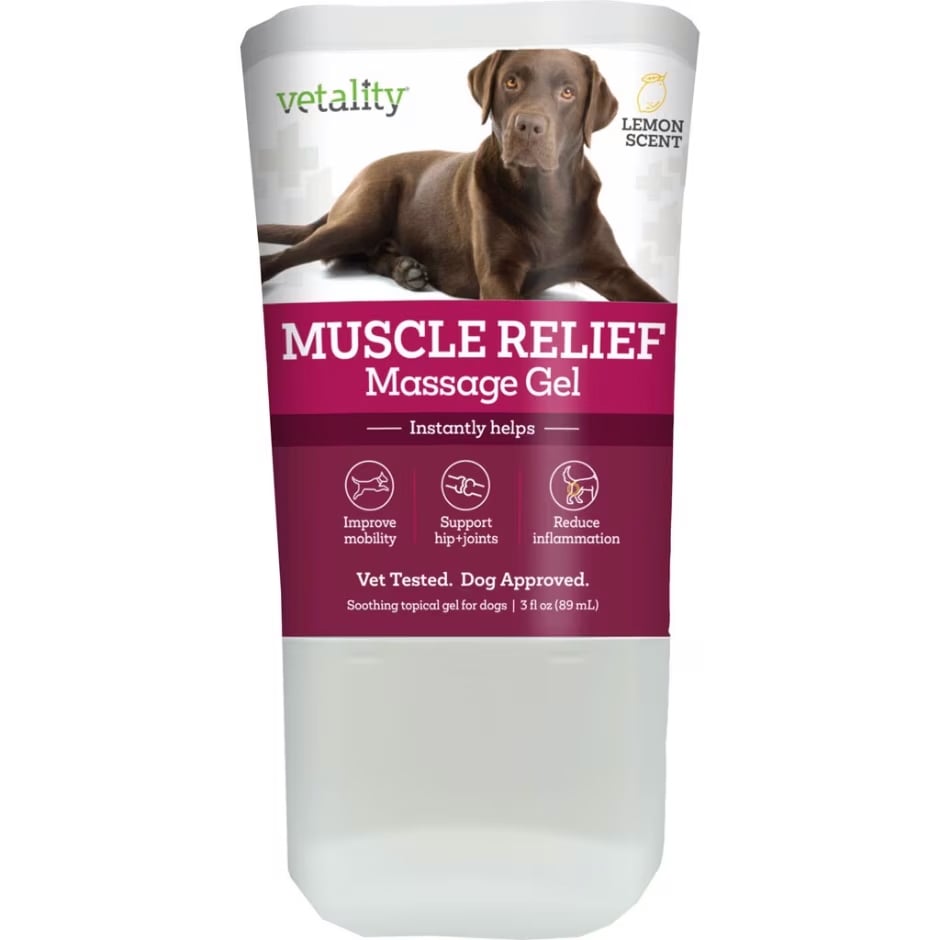
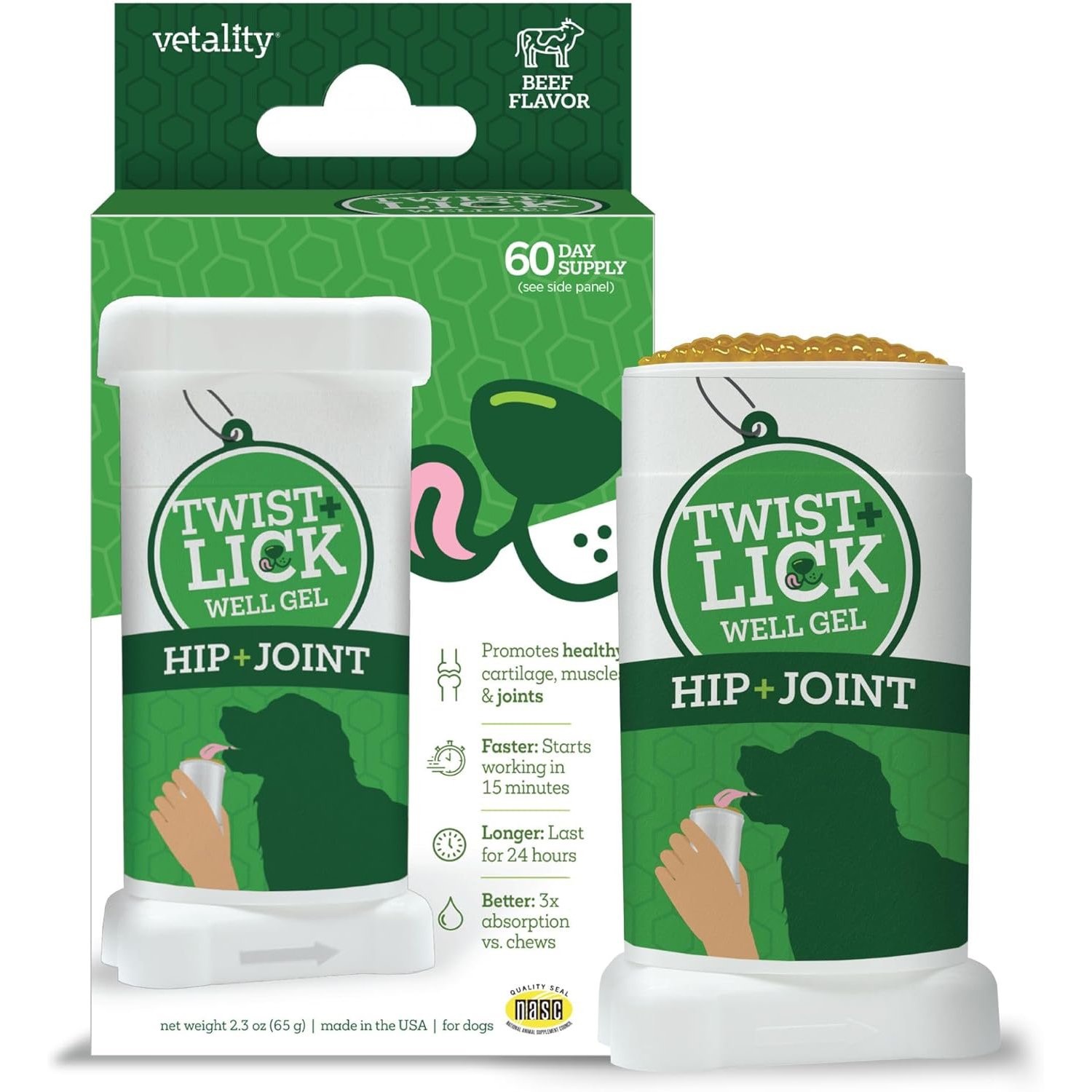
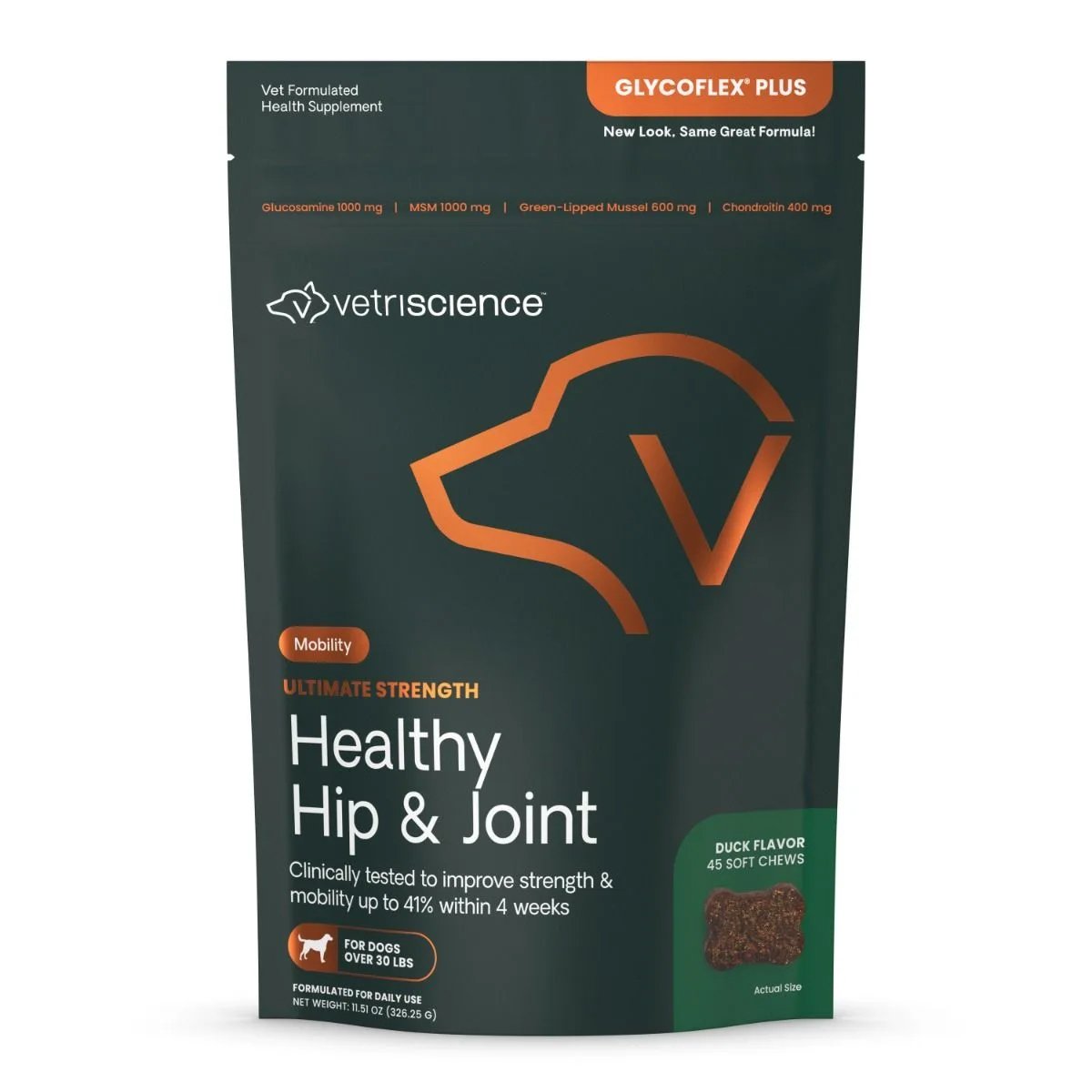
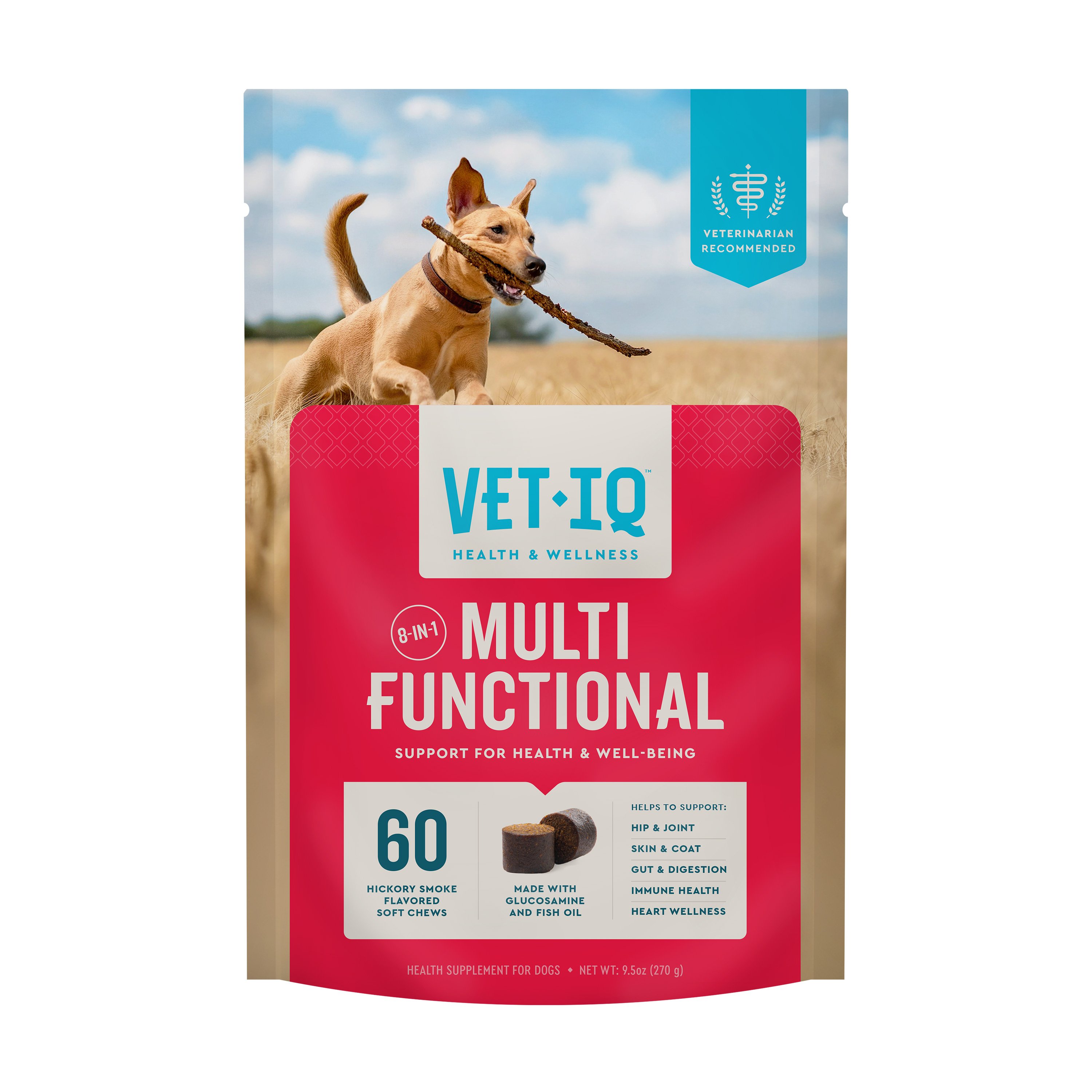
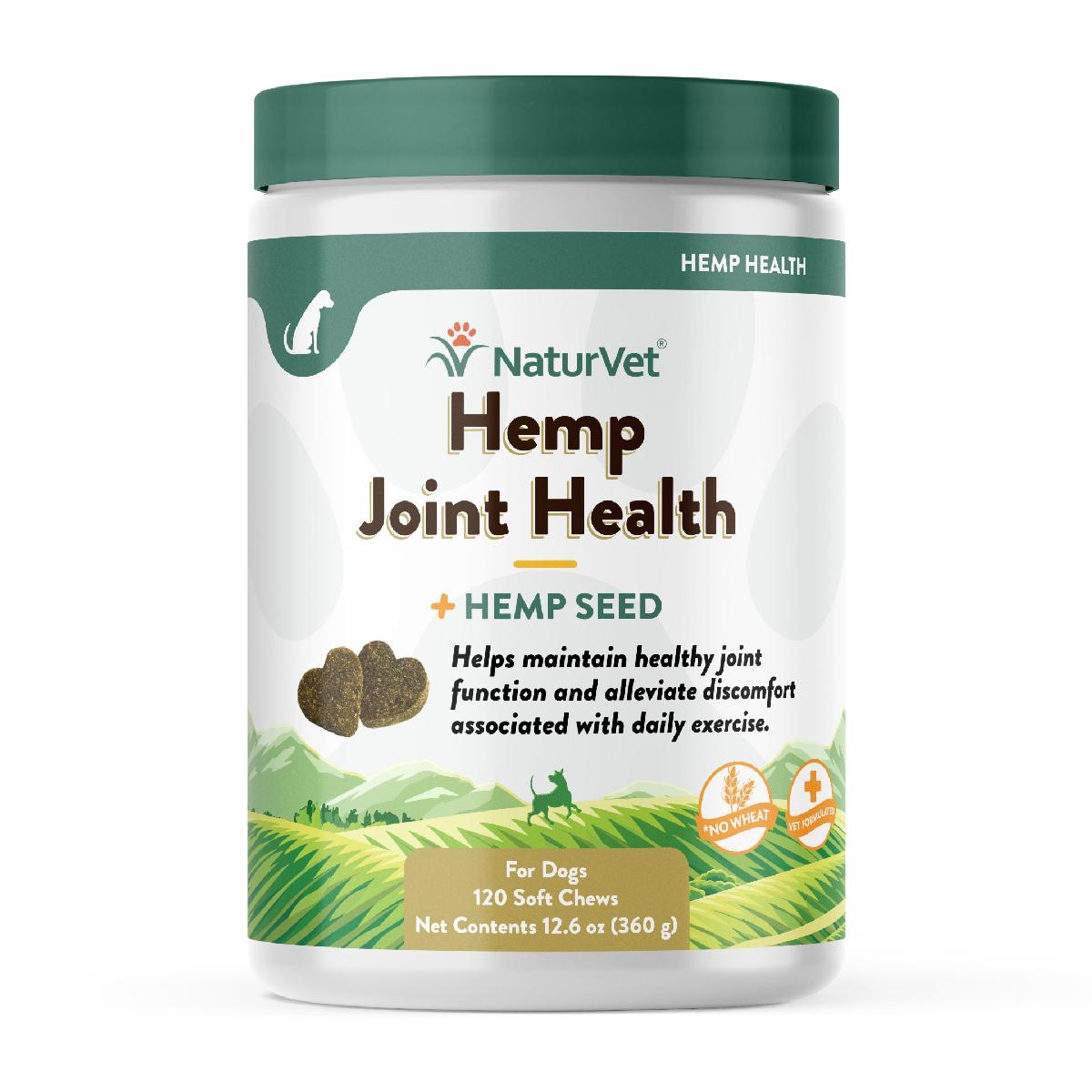
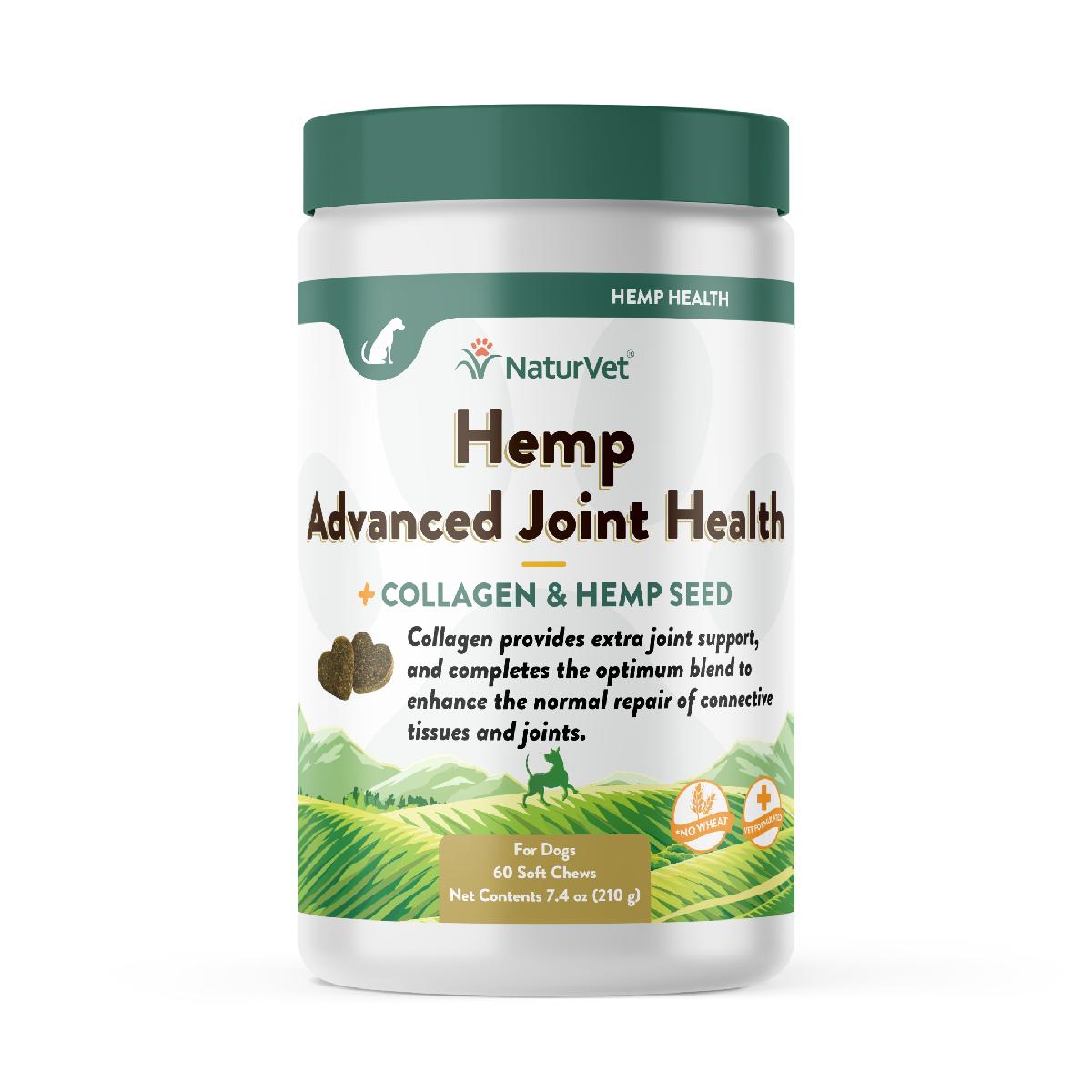
Hip and joint supplements added into your pet's diet replace depleted nutrients due to arthritis, inadequate diet, poor absorption, trauma or aging. Supplements increase the health of the joint and reduce pain. They can be given to both old and young pets as a treatment for degenerative joint disease or to promote joint health and prevent deterioration. Supplements provide nutrients needed to build new, healthy cartilage and stimulate joint fluid production. Their effects occur gradually and over time.
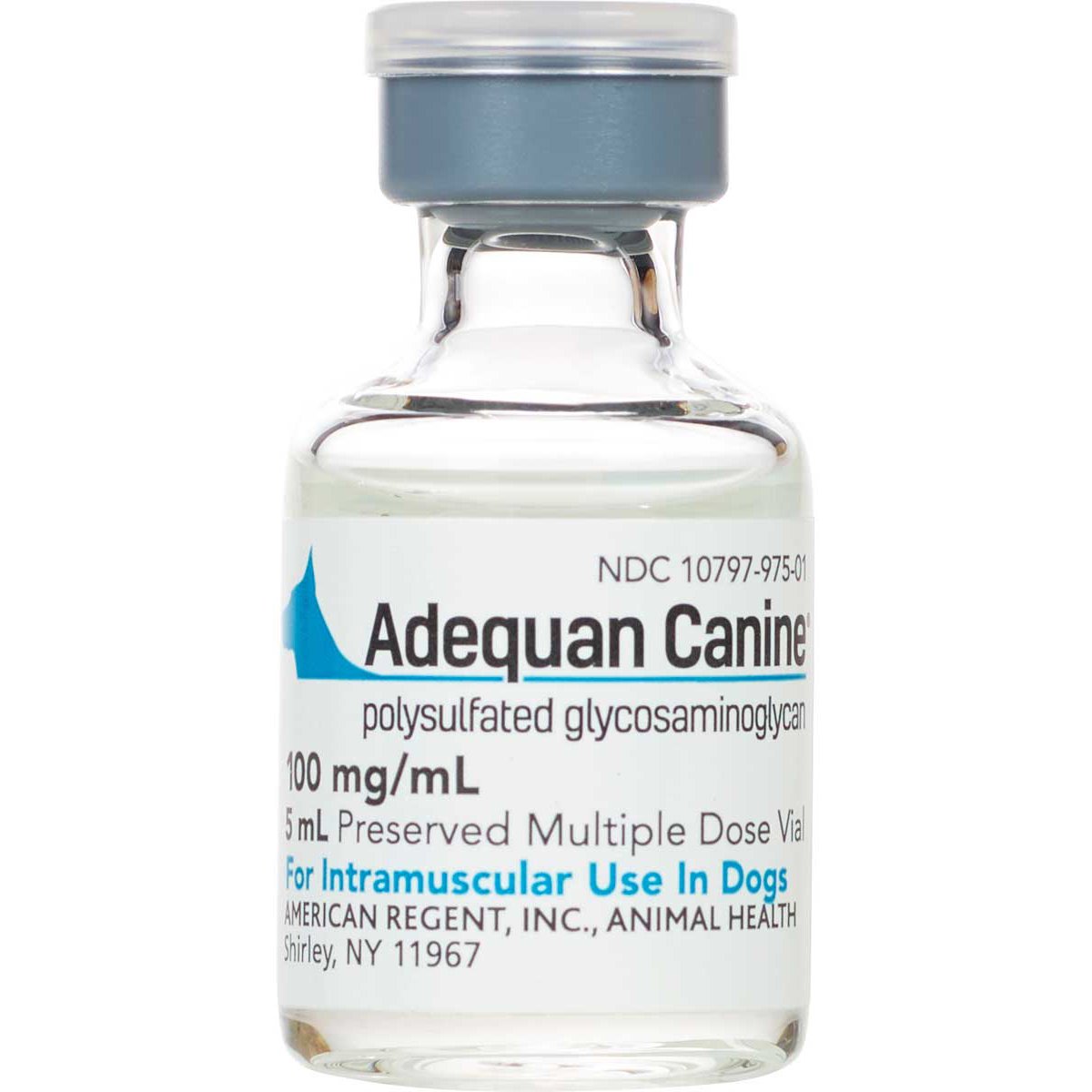
Nonsteroidal anti-inflammatory drugs (NSAIDS) designed to primarily combat pain and inflammation are very different from joint supplements. NSAIDS work by blocking enzymes that help create chemical messengers called prostaglandins. Prostaglandins mediate immune reactions and inflammation. When the enzymes are blocked, the prostaglandins cannot be produced, thus reducing inflammation and its associated pain. The most-often targeted enzymes are called cyclooxygenases (abbreviated COX-1 and COX-2), and most of the NSAIDS are called COX inhibitors. Always consult your veterinarian before using NSAIDS for your dog.
Shop affordable, trusted brands for hip and joint supplements and Rx nonsteroidal anti-inflammatory drugs (NSAIDS). 10% off every order. Free shipping on $49+.
$43.50 $40.33 Save 10% E PAW$22.99 $20.70 Save 10% E PAW$24.64 $22.18 Save 10% E PAW$23.99 $21.60 Save 10% E PAW$23.99 $21.60 Save 10% E PAW$9.97 $8.98 Save 10% E PAW$78.79 $70.91 Save 10% E PAW$68.49 $61.64 Save 10% E PAW$13.99 $12.59 Save 10% E PAW$35.77 $32.19 Save 10% E PAW$23.97 $21.57 Save 10% E PAW$95.95 $86.36 Save 10% E PAW$17.97 $16.17 Save 10% E PAW$24.99 $22.49 Save 10% E PAW$22.97 $20.67 Save 10% E PAW$47.47 $42.72 Save 10% E PAW$36.99 $33.29 Save 10% E PAW$65.95 $59.36 Save 10% E PAW$36.99 $33.30 Save 10% E PAW
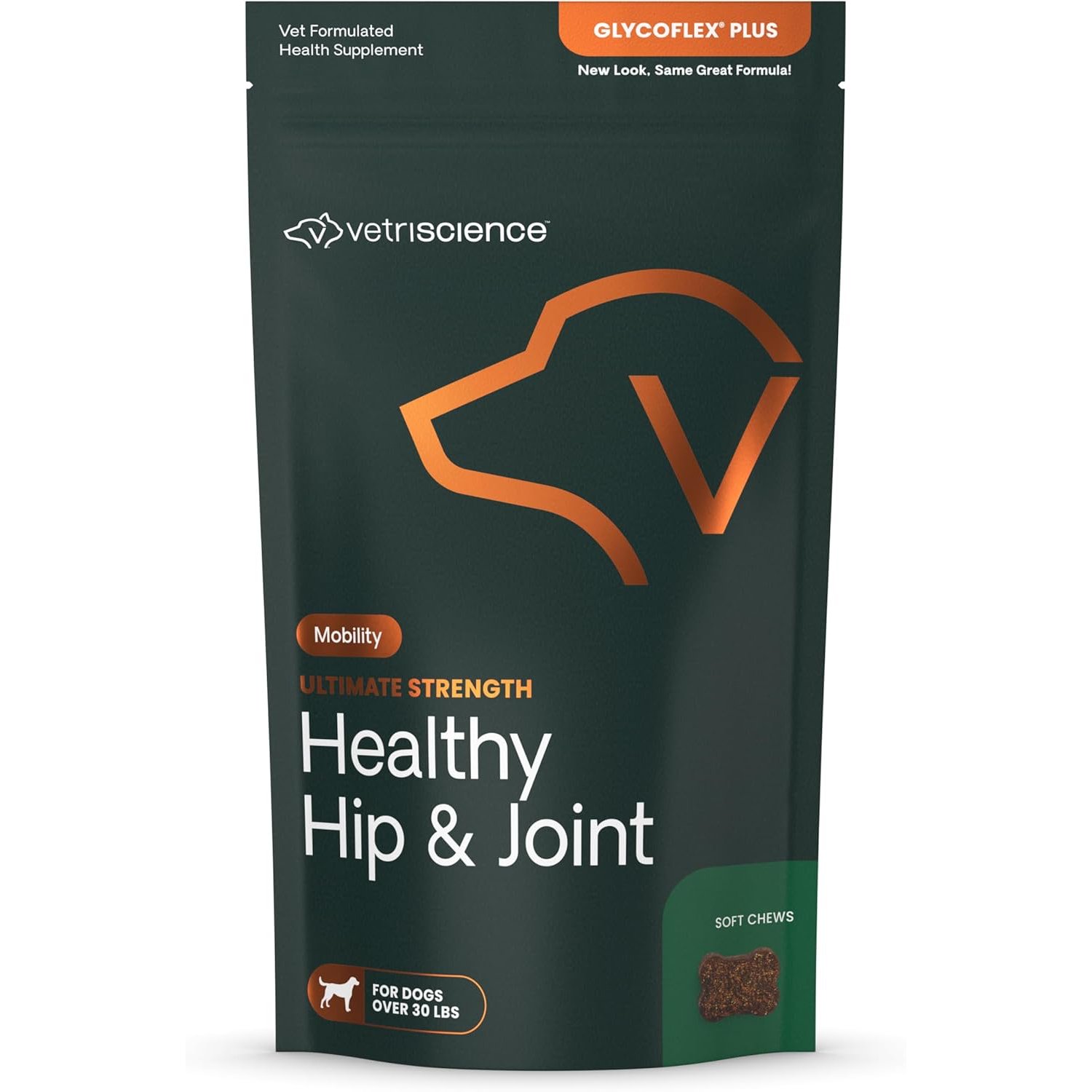
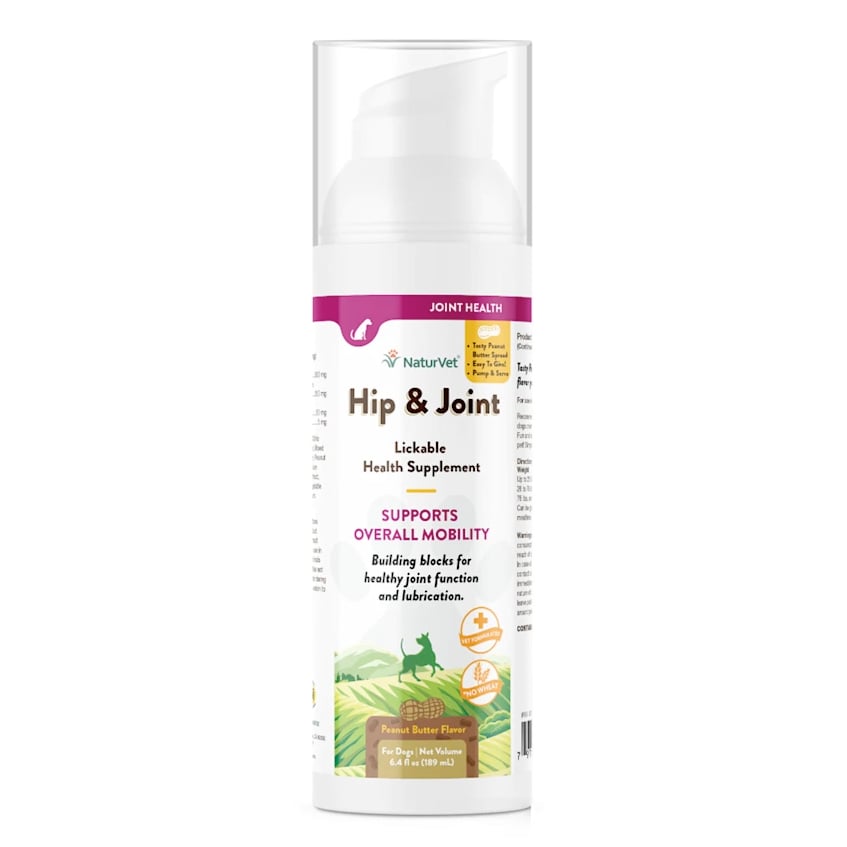
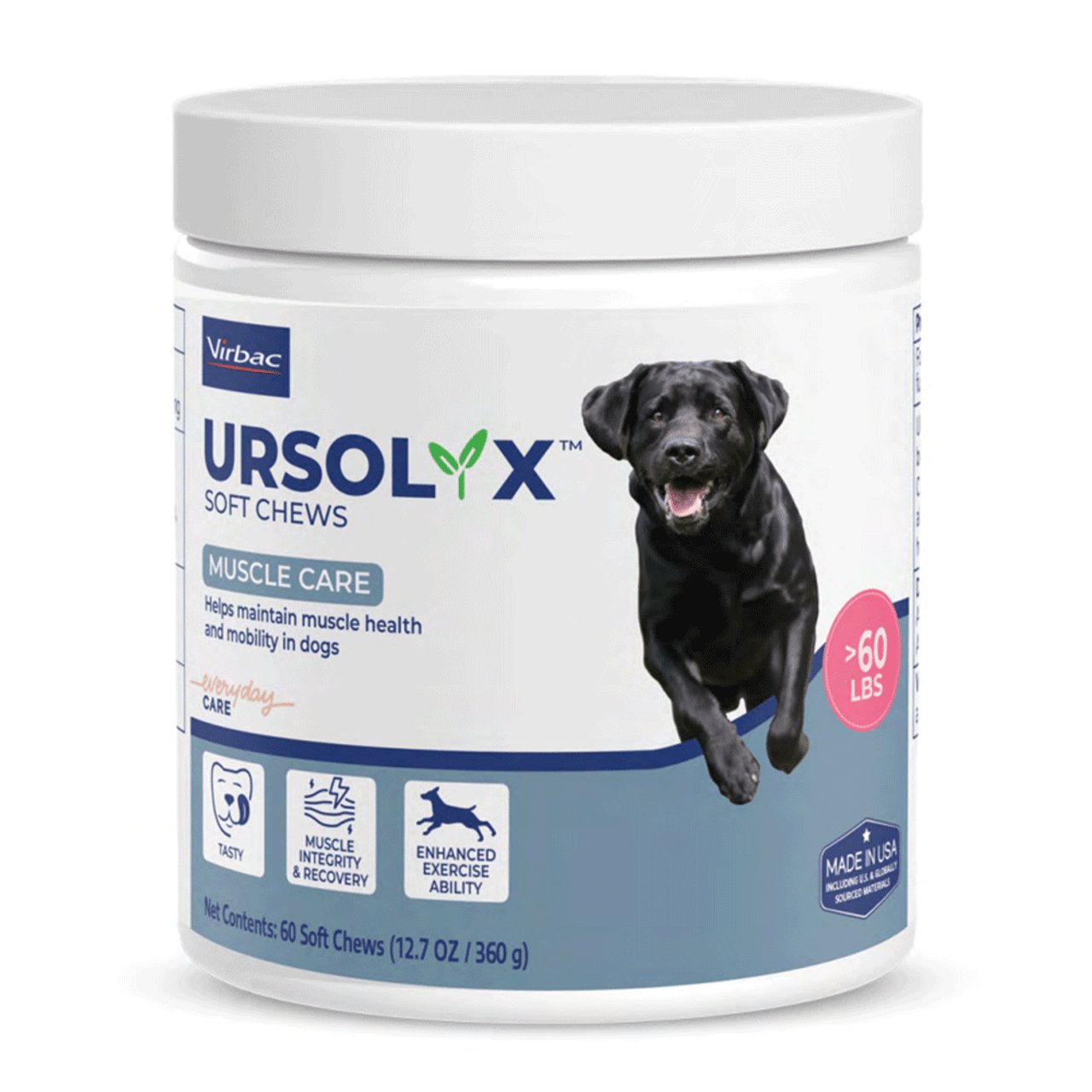
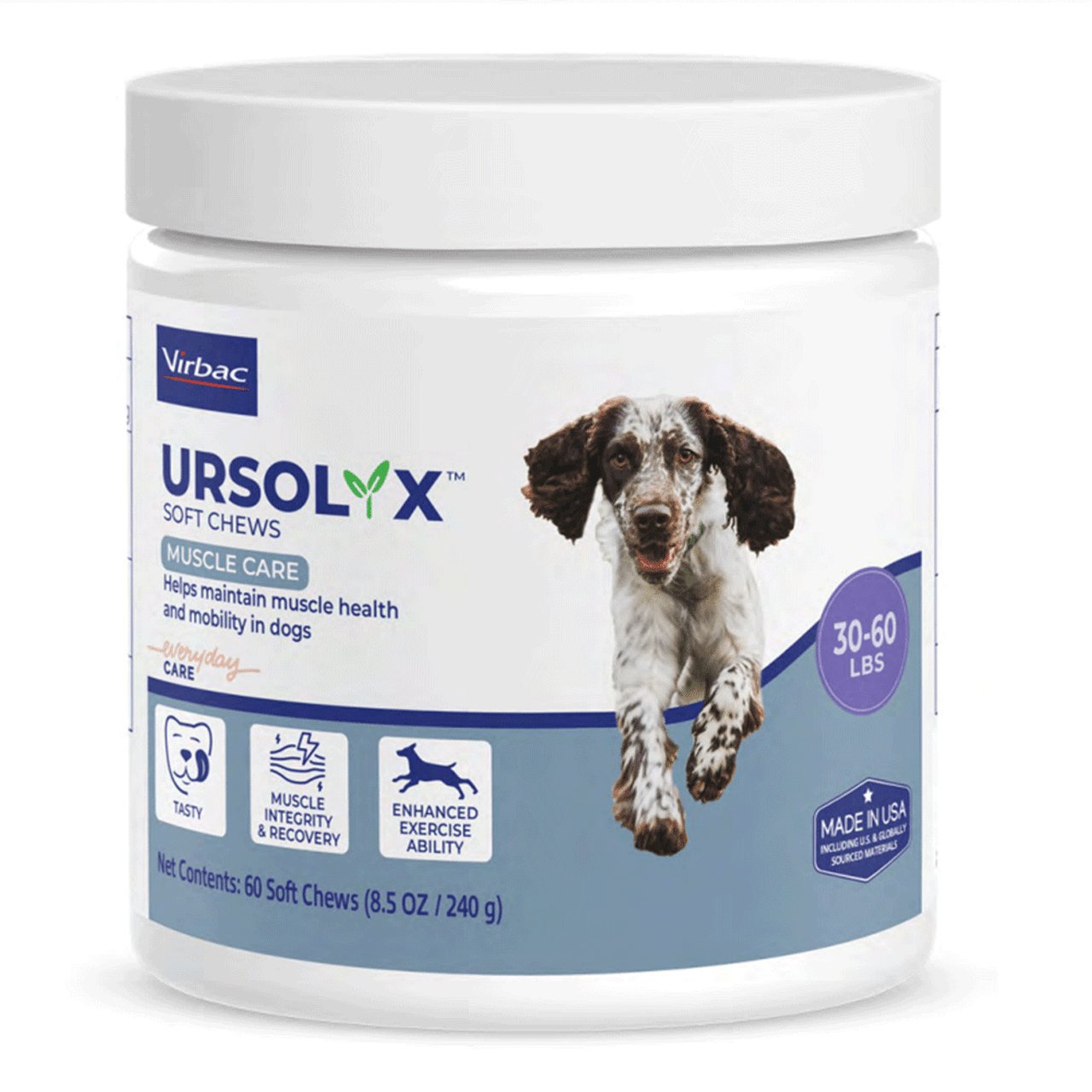
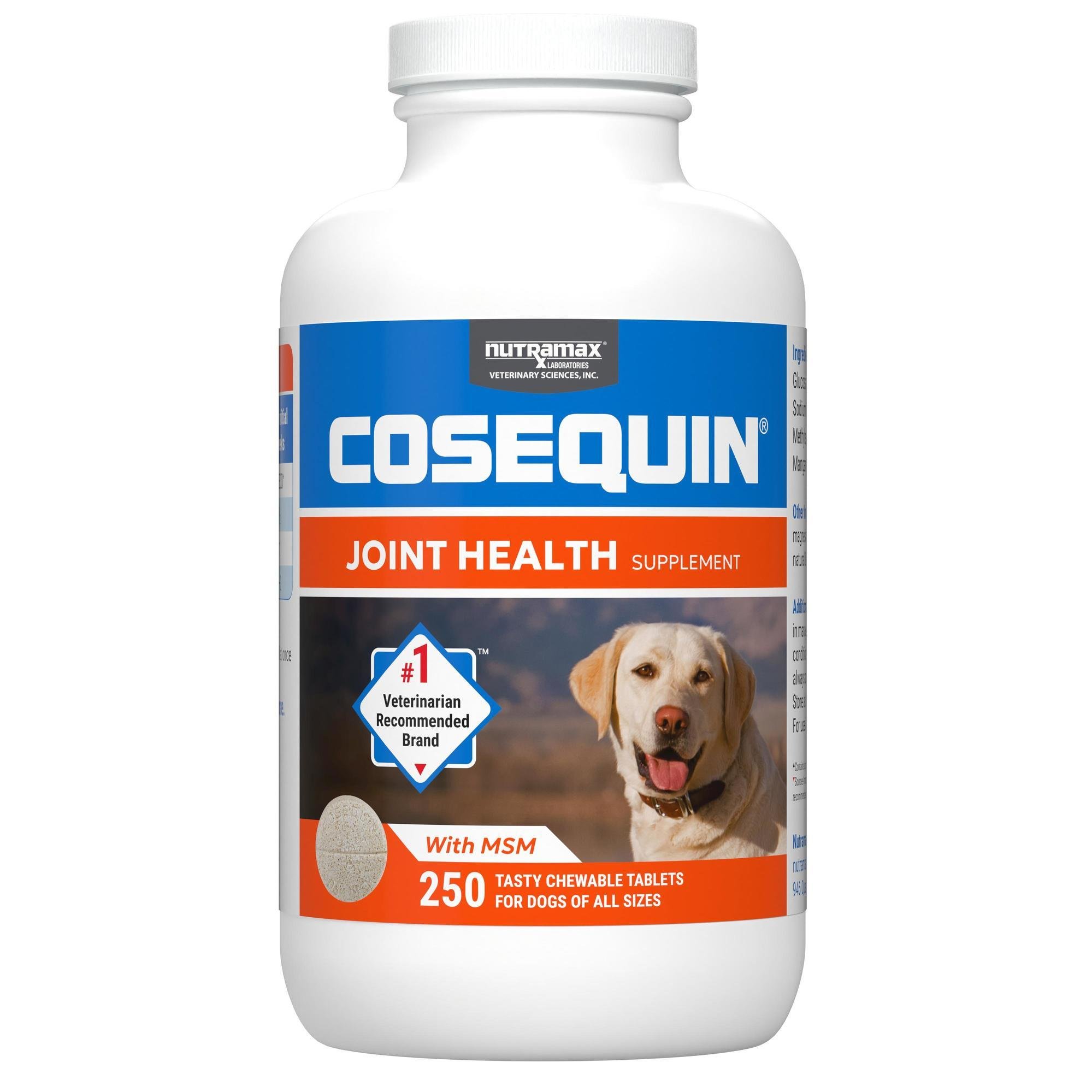
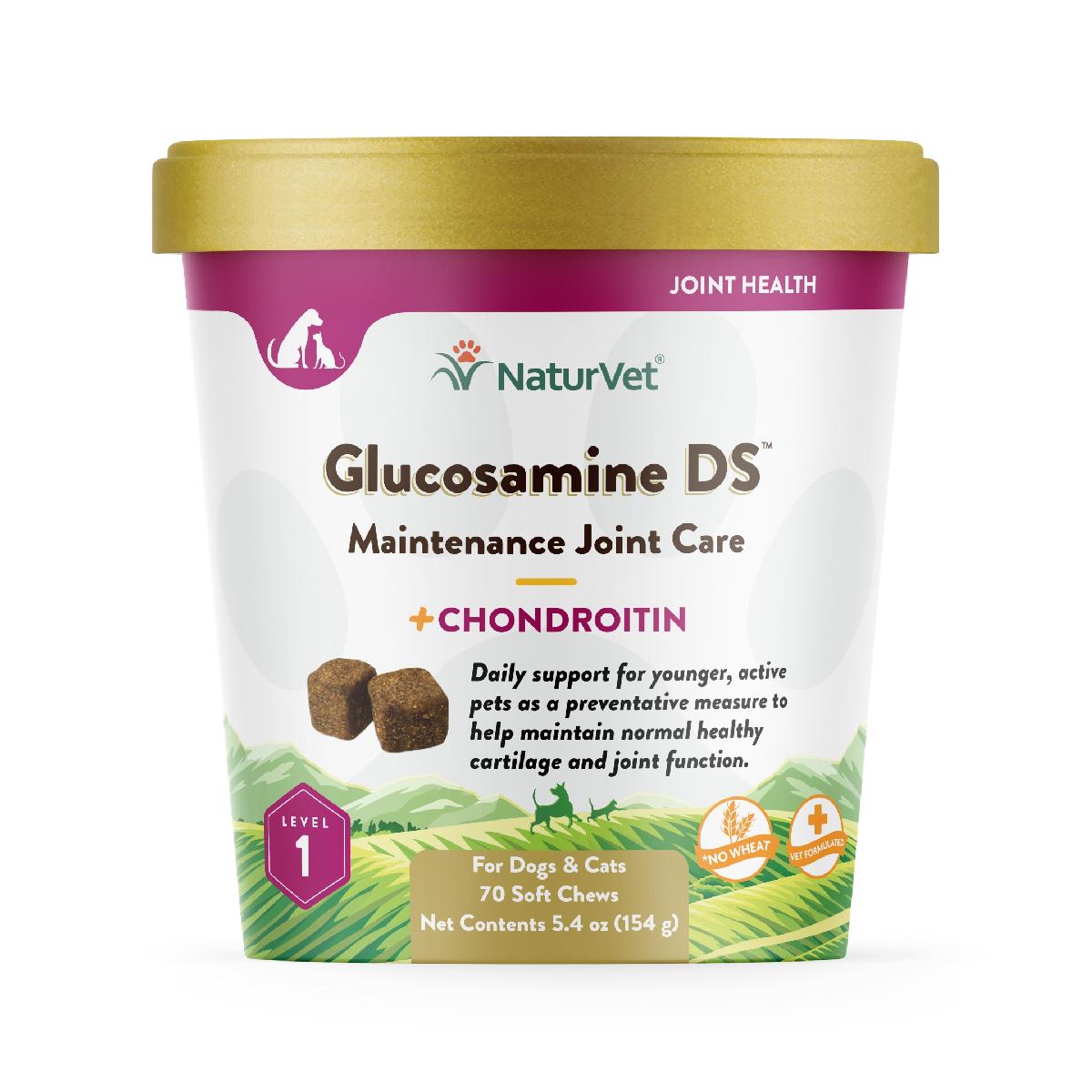
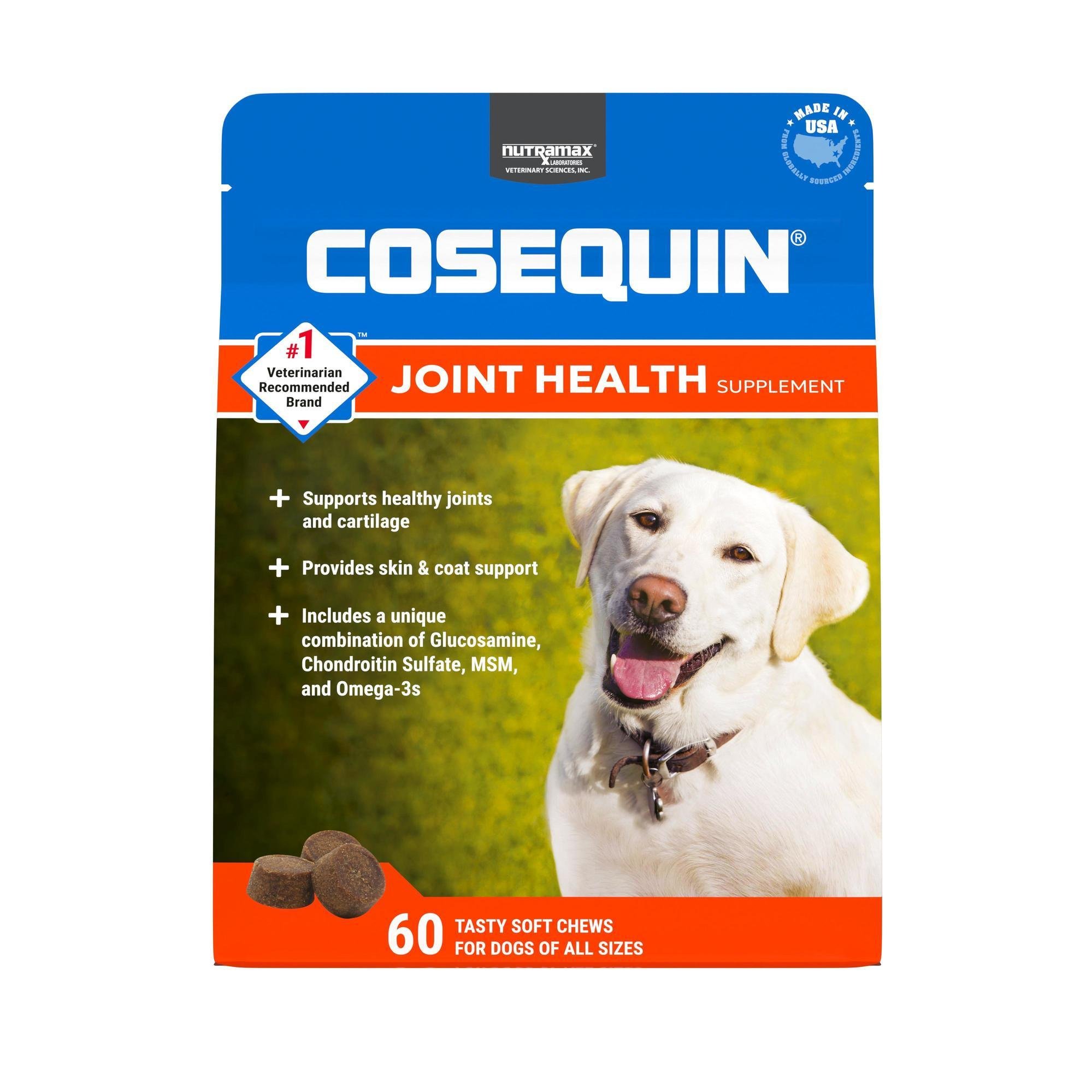
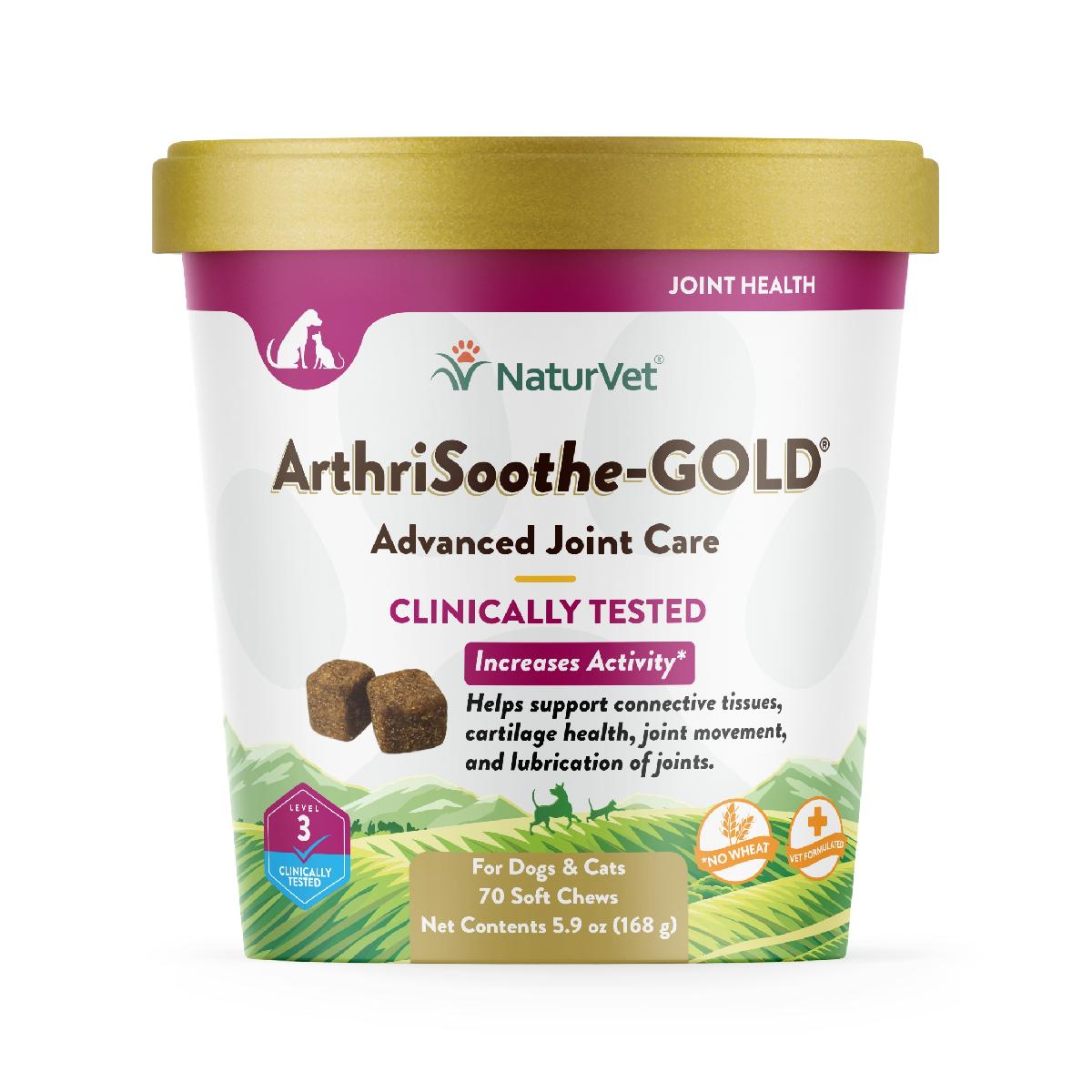
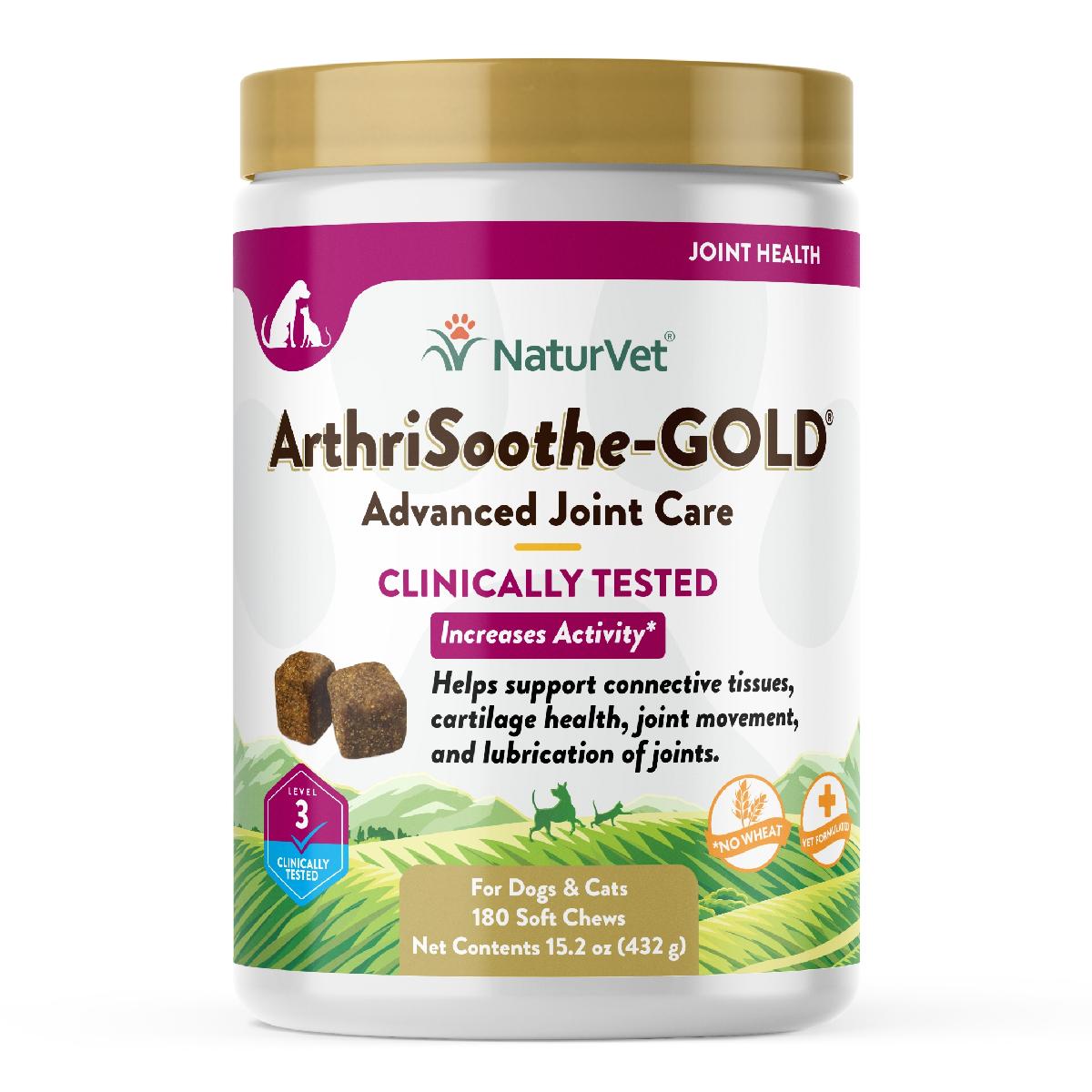
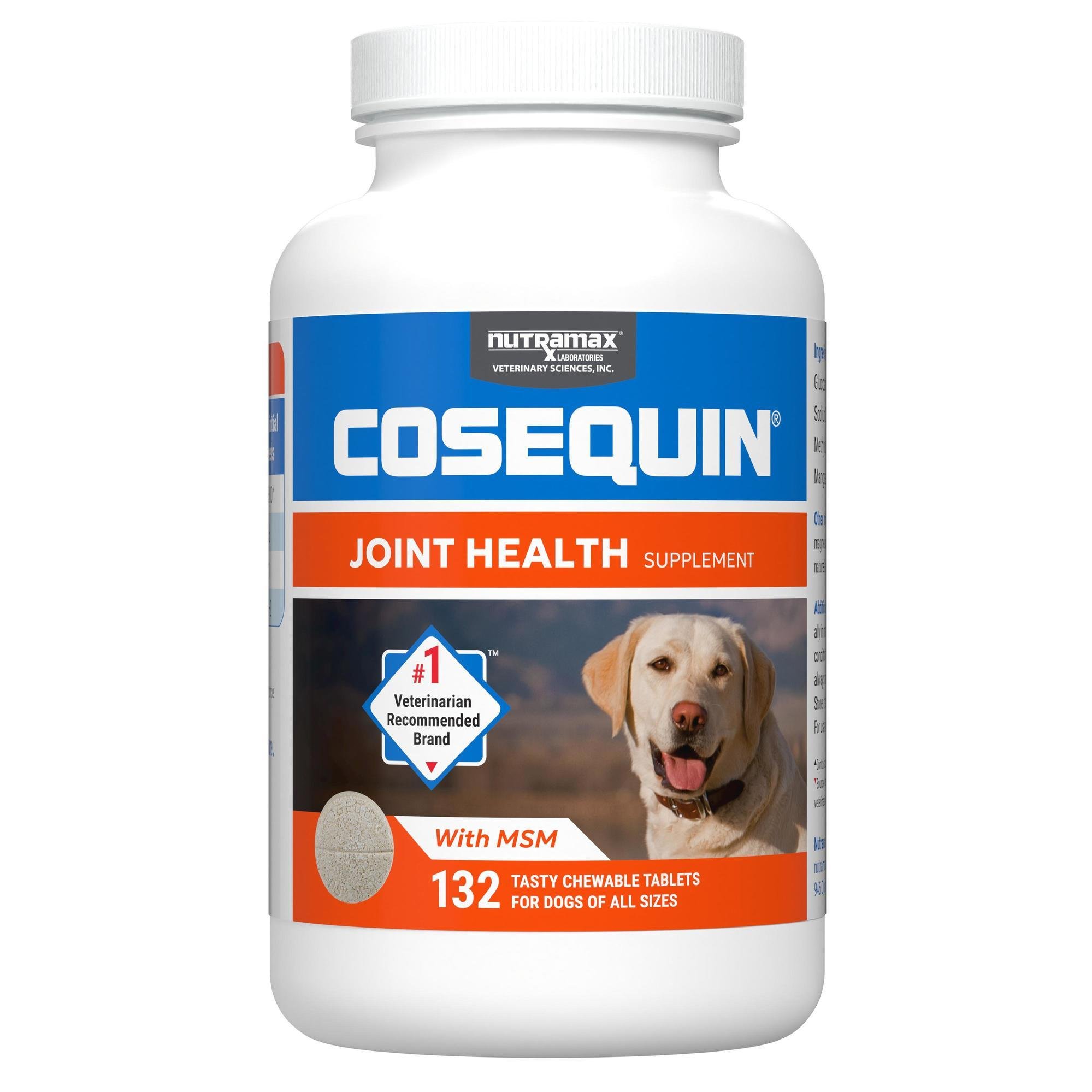
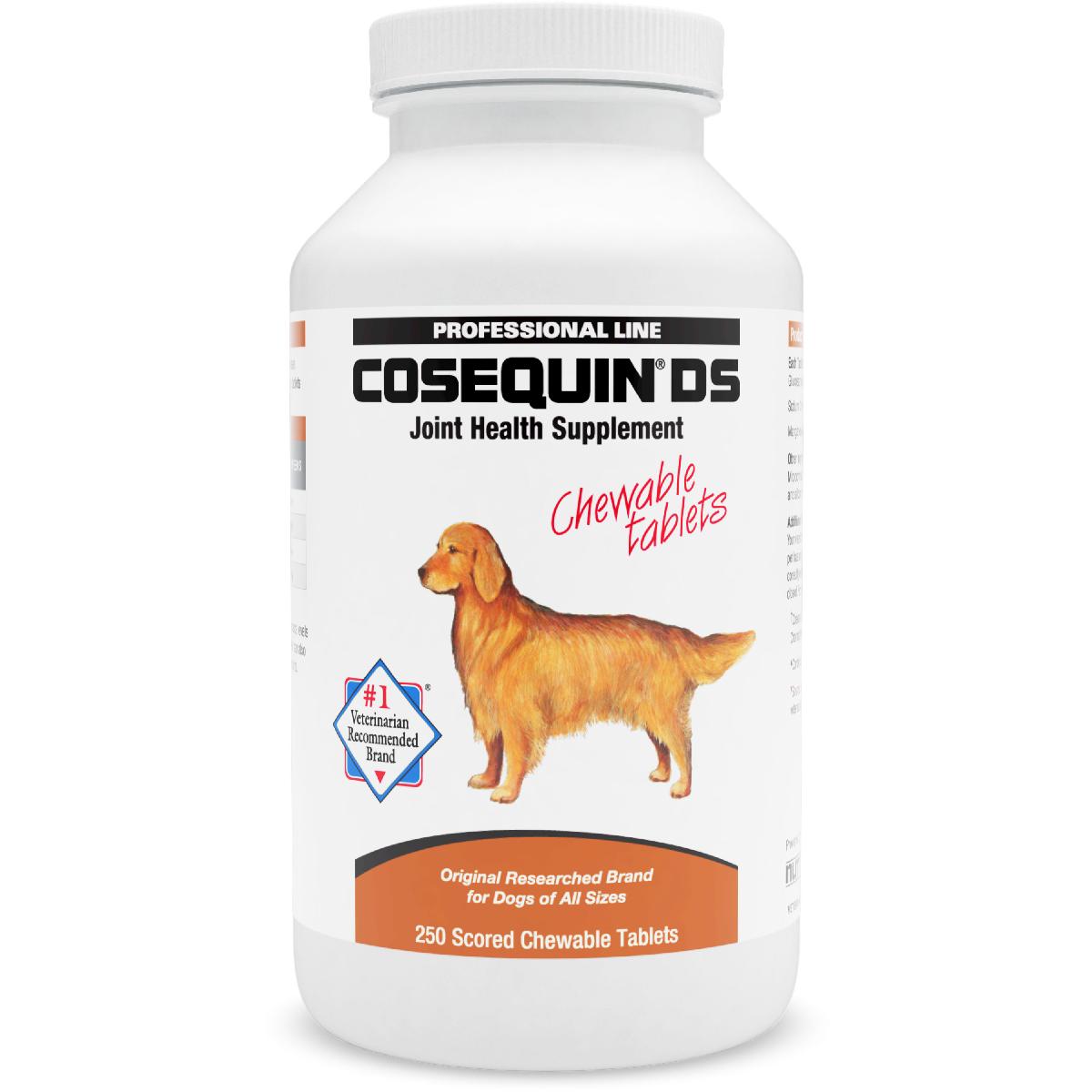
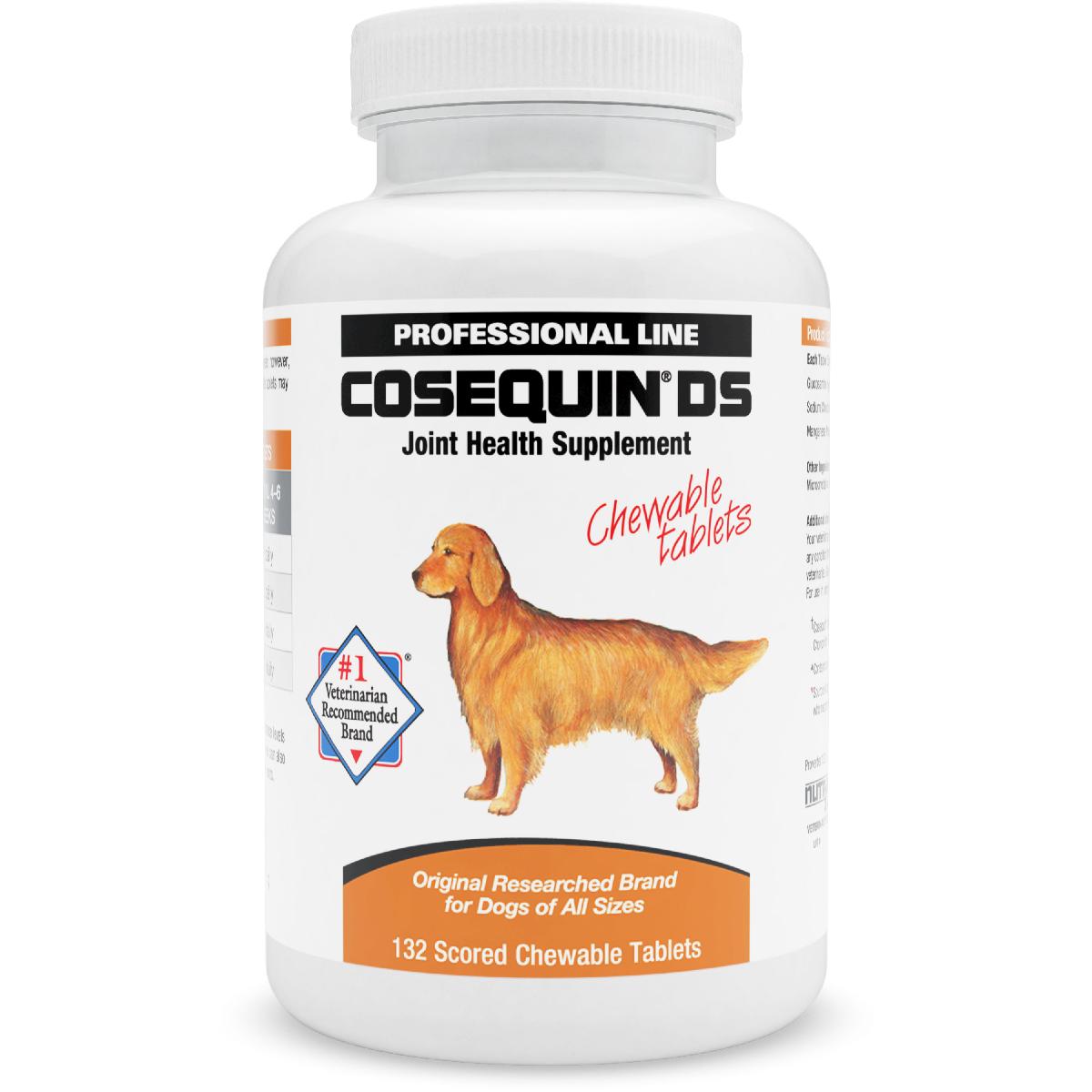
About Our Dog Hip & Joint Supplements
- Rebuilding cartilage
- Reducing cartilage loss
- Increasing joint flexibility
- Improving blood flow
- Enhancing moisture retention
- Reducing joint inflammation, allowing the joint room to repair itself
Frequently Asked Questions About Hip and Joint Supplements for Dogs
How Do I Tell If My Dog Has Joint Pain?
- Limping or favoring a limb, which may be most noticeable when they walk or run
- Difficulty getting up and down. They may also look hesitant or wobbly.
- When lying down, slow to get up when you call
- Reluctance to climb stairs or jump on or off the bed, which could include whining before and yelping during.
- Decreased physical activity, which sadly makes joints stiffer and more painful