
Allergy Medicine for Cats
Filter
Categories
Prescription Items
Brand
Product Form
5 Items
Just like people, cats have sensitive skin and are susceptible to allergens that contact their skin. When a cat's immune system recognizes a substance as dangerous, a variety of skin, digestive, and respiratory symptoms may appear.
Shop affordable, trusted brands for allergy relief products. 10% off every order. Free shipping on $49+.
$13.59 $12.24 Save 10% E PAW$19.49 $17.54 Save 10% E PAW$17.97 $16.17 Save 10% E PAW$19.49 $17.54 Save 10% E PAW$19.49 $17.54 Save 10% E PAW
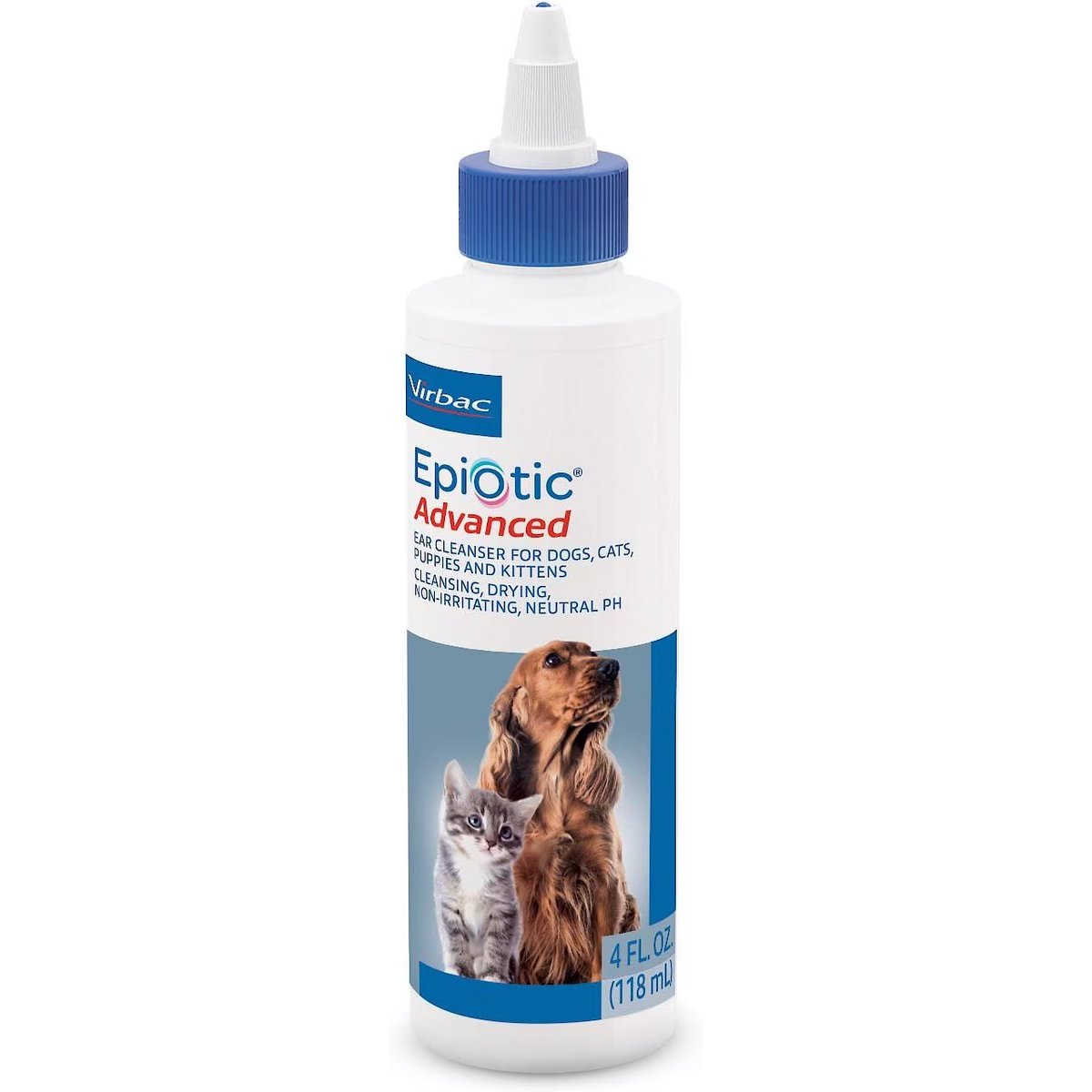
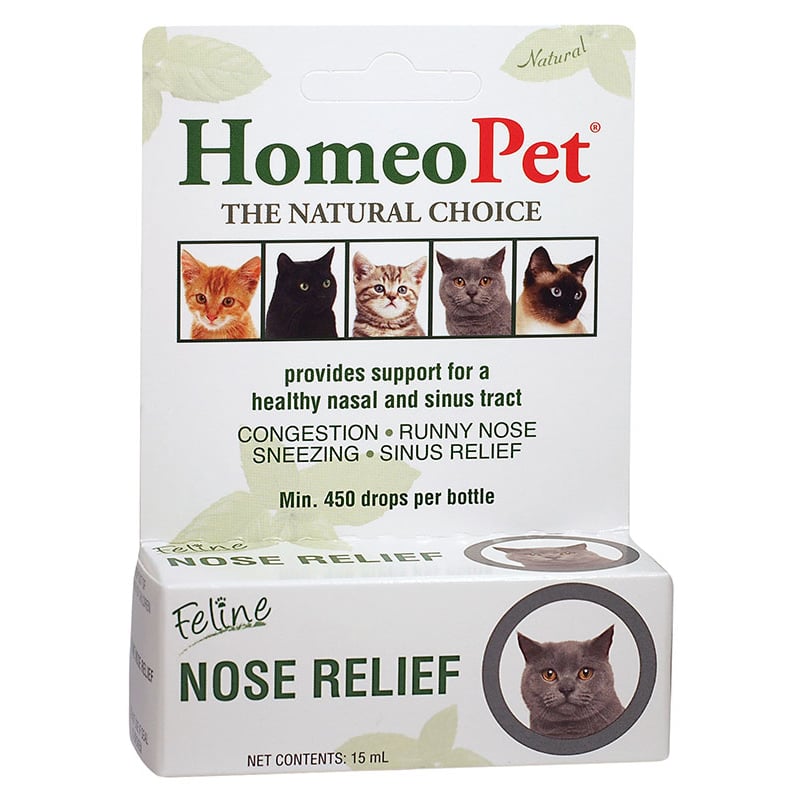
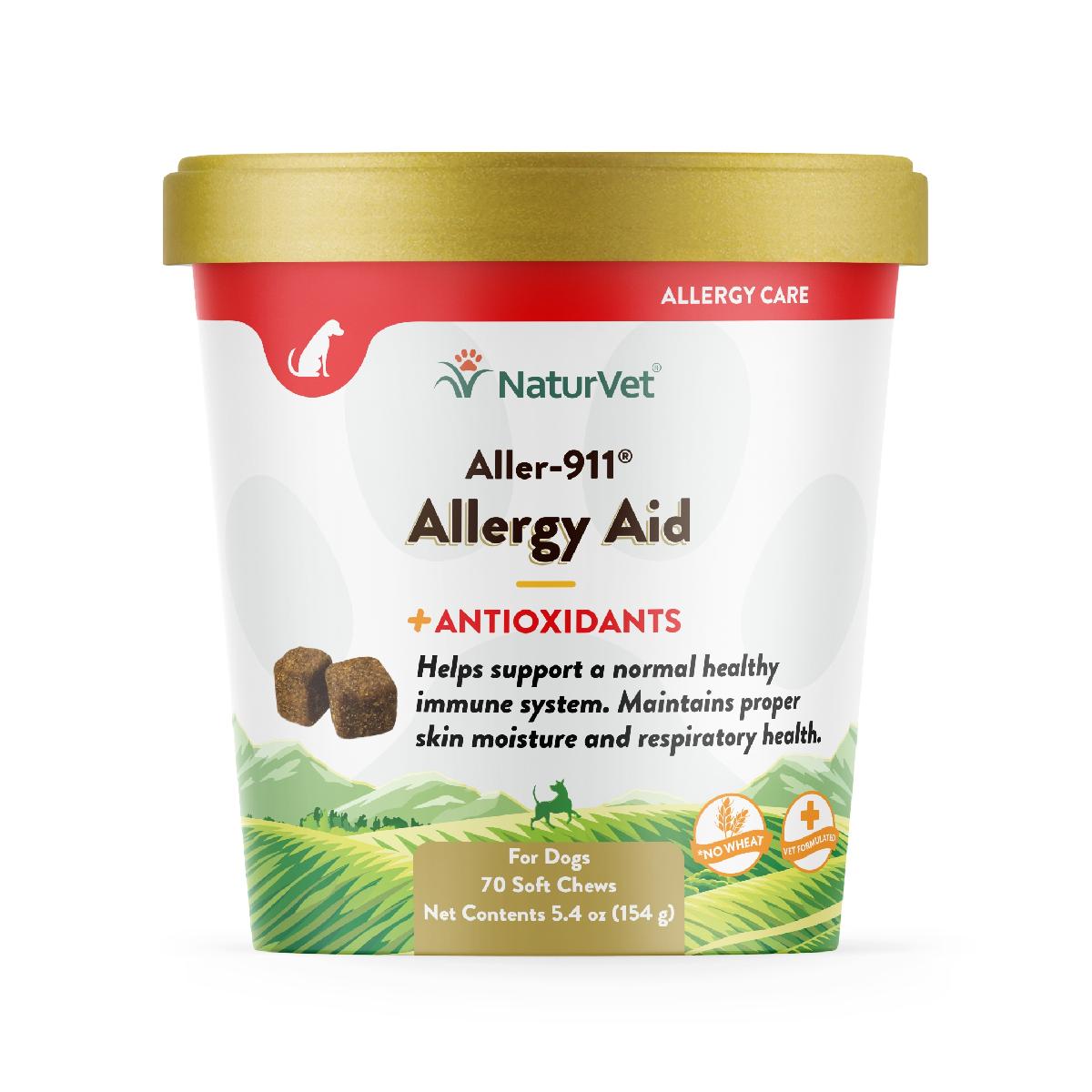
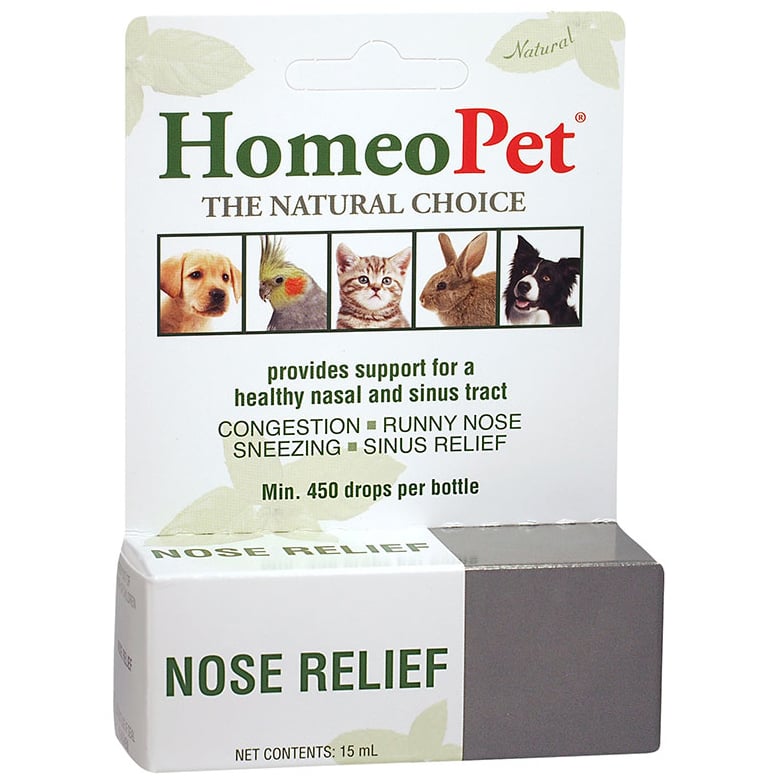
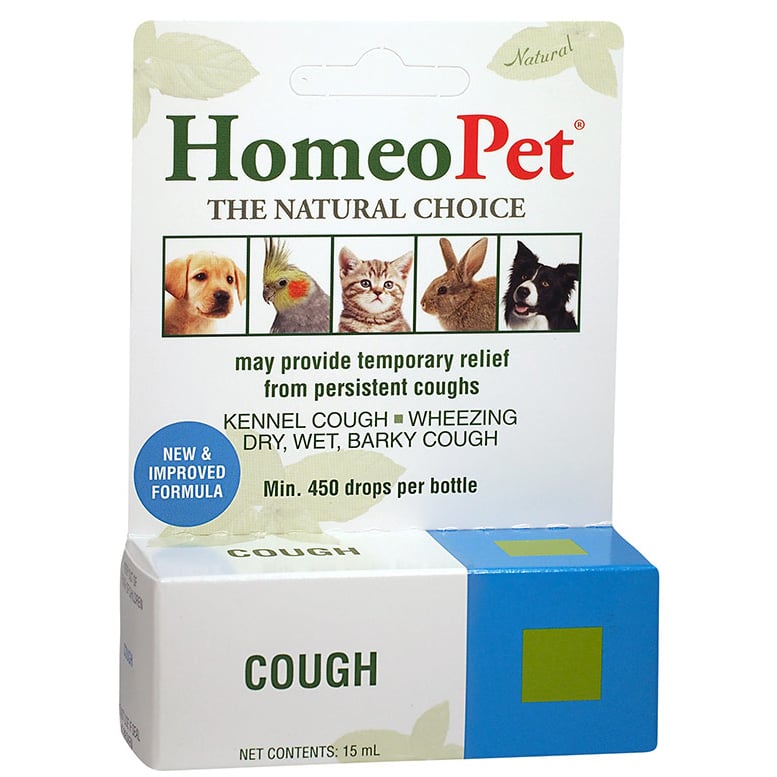
Allergy Treatment for Cats
Allergy symptoms can affect a cat’s skin, digestion, and breathing. Common signs include itching, overgrooming, sneezing, coughing, ear irritation, and occasional vomiting or diarrhea. Treatment depends on the underlying trigger and the severity of symptoms. Options range from omega fatty acid supplements and homeopathic remedies to antihistamines or other prescription medications recommended by a veterinarian. A thoughtful treatment plan can help manage flare-ups, reduce discomfort, and support long-term skin and immune health. PetPawsRx offers a range of products that fit into veterinarian-approved plans, making it easier to stay consistent with your cat’s care.
Frequently Asked Questions
What are the common signs of allergies in cats?
Allergies in cats often appear as skin irritation or respiratory changes. Frequent scratching, licking, or overgrooming can lead to hair thinning or bald spots, especially around the head and neck. Red or inflamed skin is also common. Some cats develop watery eyes, sneezing, coughing, or wheezing. Food-related allergies may cause vomiting or diarrhea. Recurring ear infections can also signal an allergic response. Noticing patterns in these symptoms helps with earlier intervention and more targeted treatment.
What types of allergy medications are available for cats?
Several types of allergy medicine for cats are available, depending on the cause and severity of symptoms. Nutritional supplements that contain omega-3, 6, and 9 fatty acids help maintain skin health and reduce itching. Homeopathic remedies may ease sneezing, nasal discharge, or coughing. For moderate to severe reactions, a veterinarian may recommend antihistamines or corticosteroids. Flea prevention products are also important, since flea saliva is a frequent trigger for skin flare-ups in cats. PetPawsRx carries many of these options, so you can discuss choices with your veterinarian and then shop confidently.
Do I need a prescription for cat allergy medicine?
Some allergy treatments are available over the counter, while others need veterinary approval. Supplements and certain homeopathic remedies can be purchased without a prescription. Stronger medications, such as specific dosages of antihistamines or corticosteroids, typically require a veterinarian’s evaluation. Prescription therapy is often recommended for persistent or severe symptoms. Consulting a veterinarian helps confirm the diagnosis, rule out other conditions, and identify which allergy medicine for cats best matches a cat’s health history and current needs.
How do I know which allergy treatment is right for my cat?
Choosing the right treatment starts with identifying the likely trigger. Environmental allergies may be managed with symptom relief and changes in the cat’s surroundings, while food sensitivities often require dietary adjustments. Flea-related reactions call for consistent flea control. A veterinarian can review symptom patterns, medical history, and lifestyle factors before recommending a plan. Many cats begin with mild interventions, with adjustments made if symptoms continue. Close observation during treatment shows whether the approach is working or needs to be revised.
Are cat allergy medications safe for long-term use?
Safety depends on the type of medication and a cat’s overall health. Many supplements formulated for skin and immune health are designed for ongoing use. Prescription medications may be used short-term during flare-ups or for longer periods under veterinary supervision. Regular checkups help monitor response and catch side effects early. Any change in appetite, behavior, or energy level should be discussed with a veterinarian so long-term care remains safe and effective.