
Cat Joint Supplements for Arthritis, Hip, and Joint Health
Filter
Categories
Life Stage
Brand
Product Form
8 Items
Hip and joint supplements added into your cat's diet replace depleted nutrients due to arthritis, inadequate diet, poor absorption, trauma or aging. Supplements increase the health of the joint and reduce pain. They can be given to both old and young pets as a treatment for degenerative joint disease or to promote joint health and prevent deterioration. Supplements provide nutrients needed to build new, healthy cartilage and stimulate joint fluid production. Their effects occur gradually and over time.
Shop affordable, trusted brands. 10% off every order. Free shipping on $49+.
$15.00 $13.50 Save 10% E PAW$12.00 $10.80 Save 10% E PAW$17.97 $16.17 Save 10% E PAW$47.47 $42.72 Save 10% E PAW$30.77 $27.69 Save 10% E PAW$20.97 $18.87 Save 10% E PAW$31.77 $28.59 Save 10% E PAW$19.99 $17.99 Save 10% E PAW
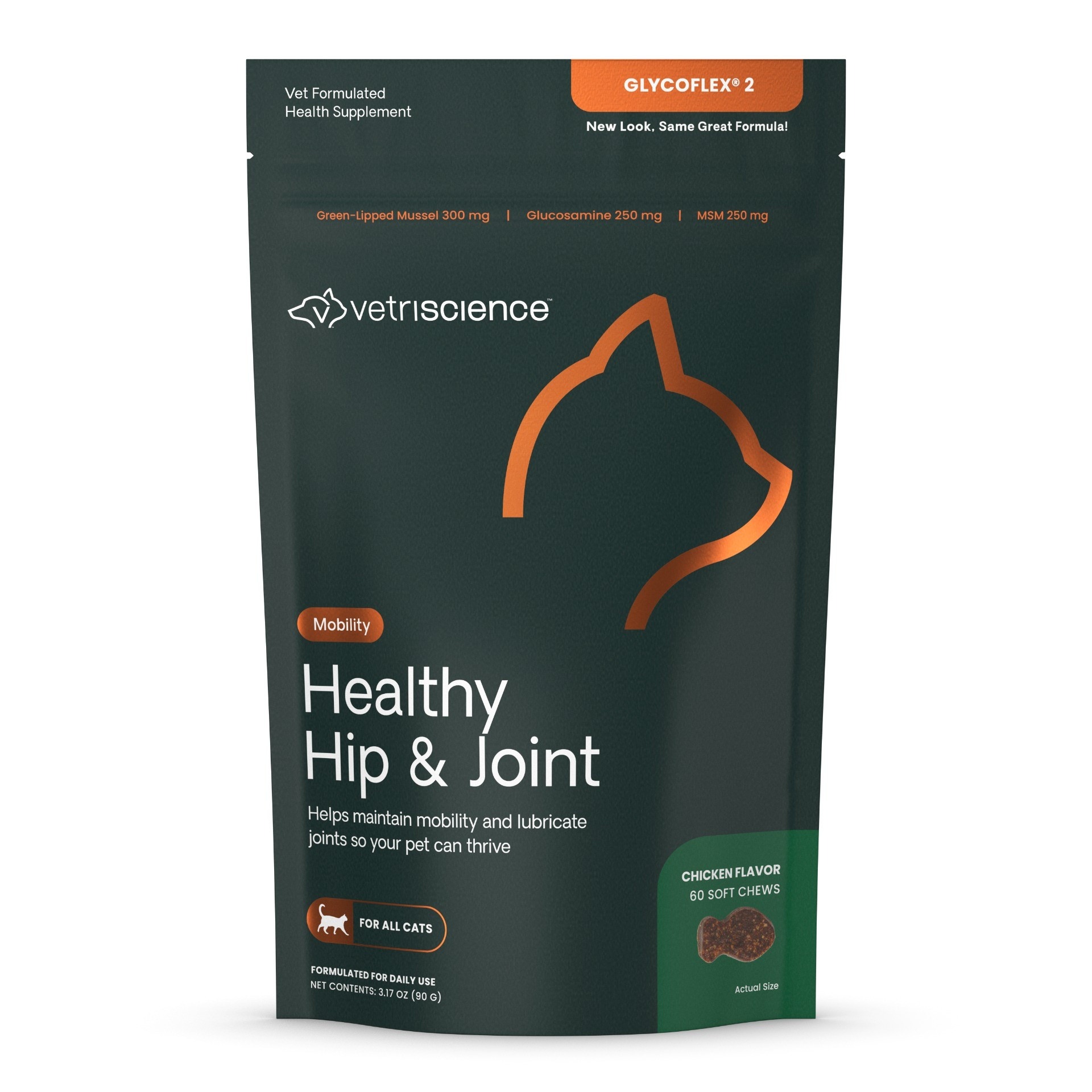
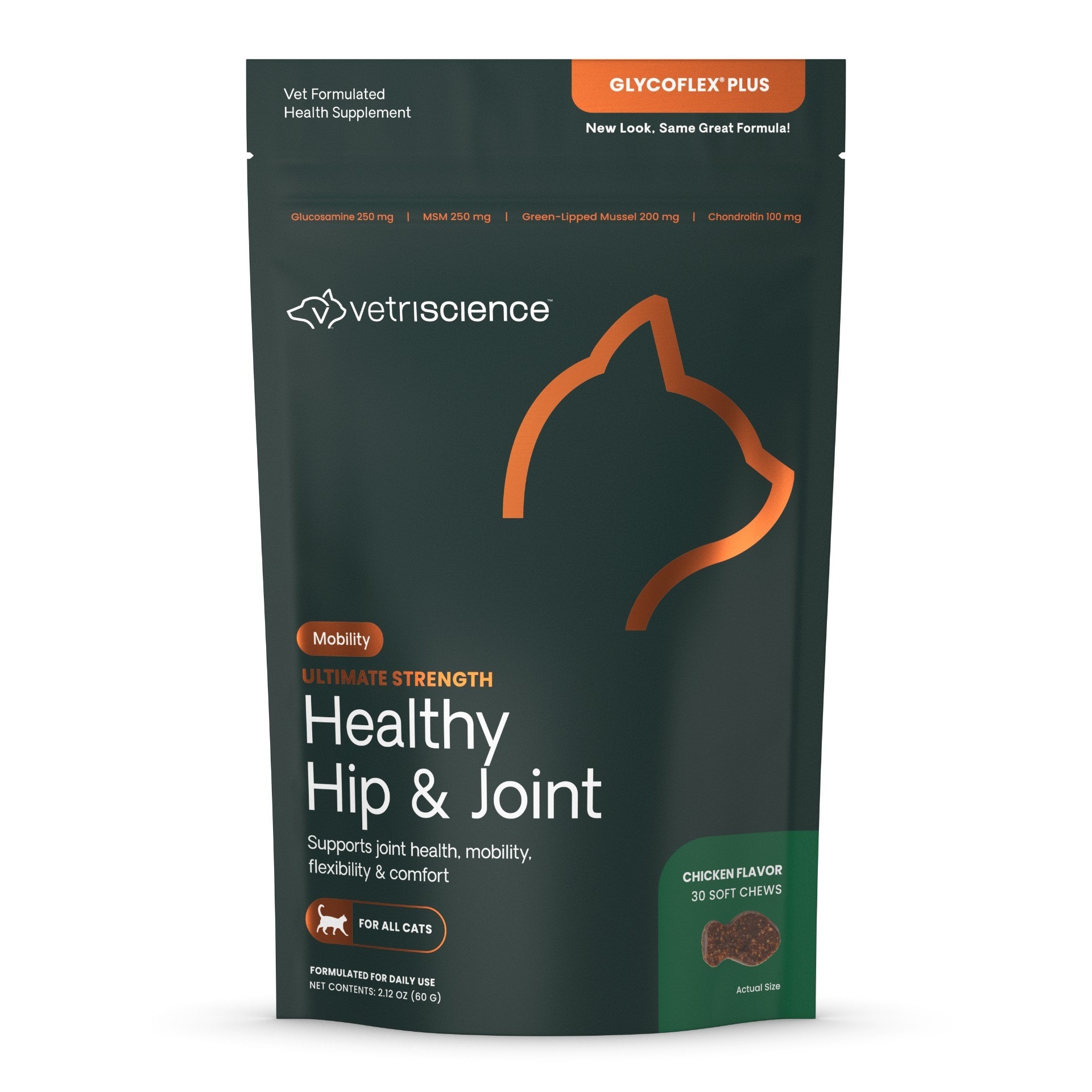
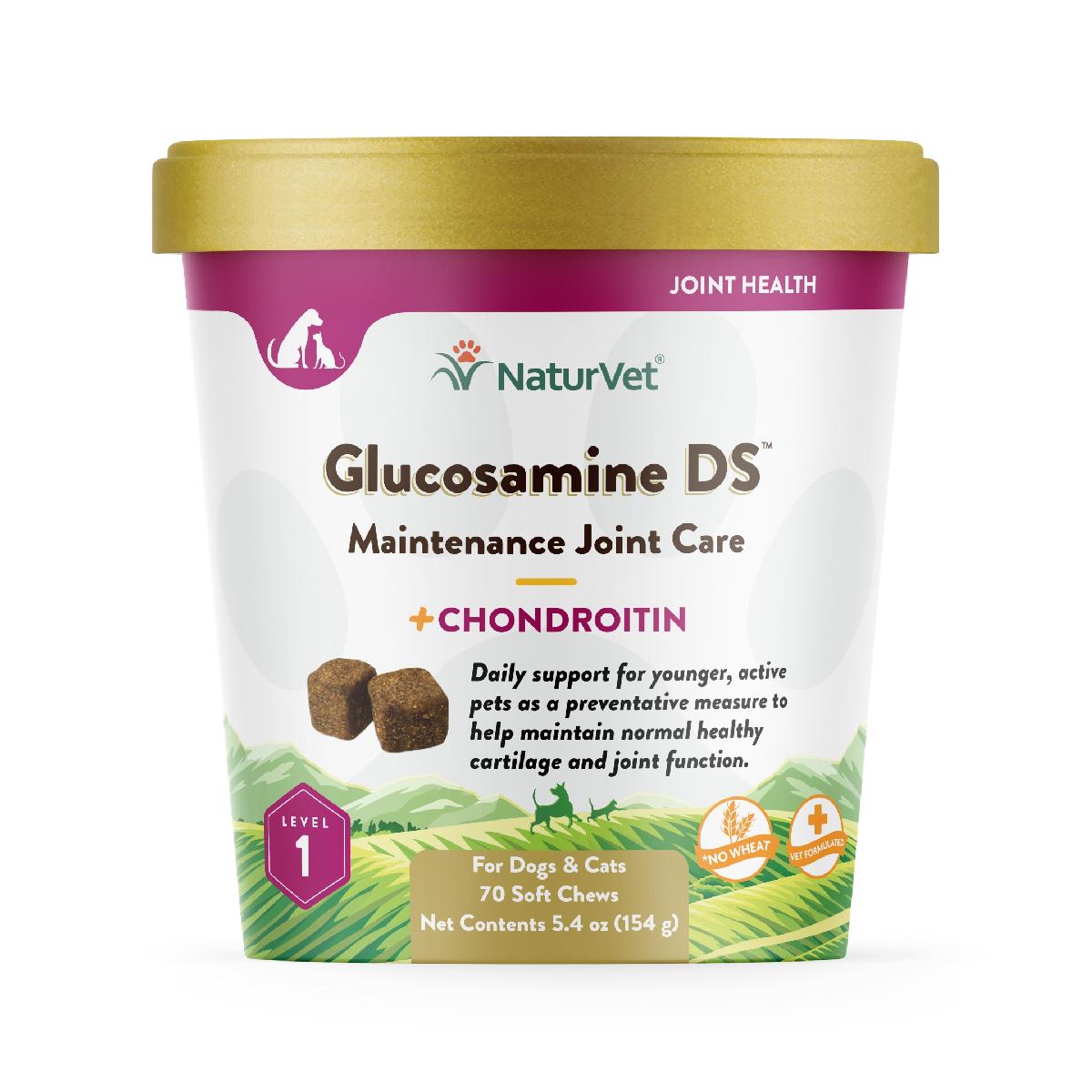
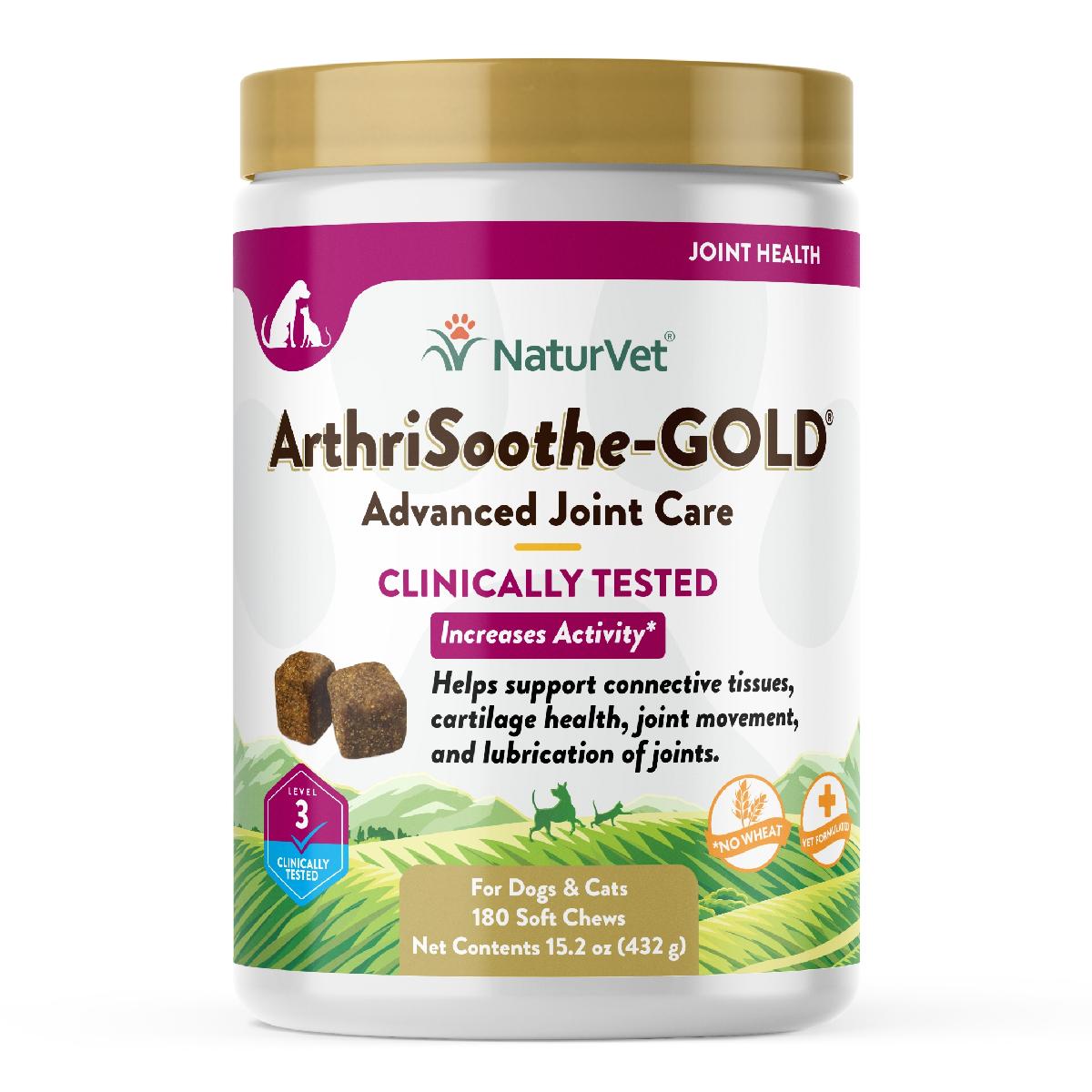
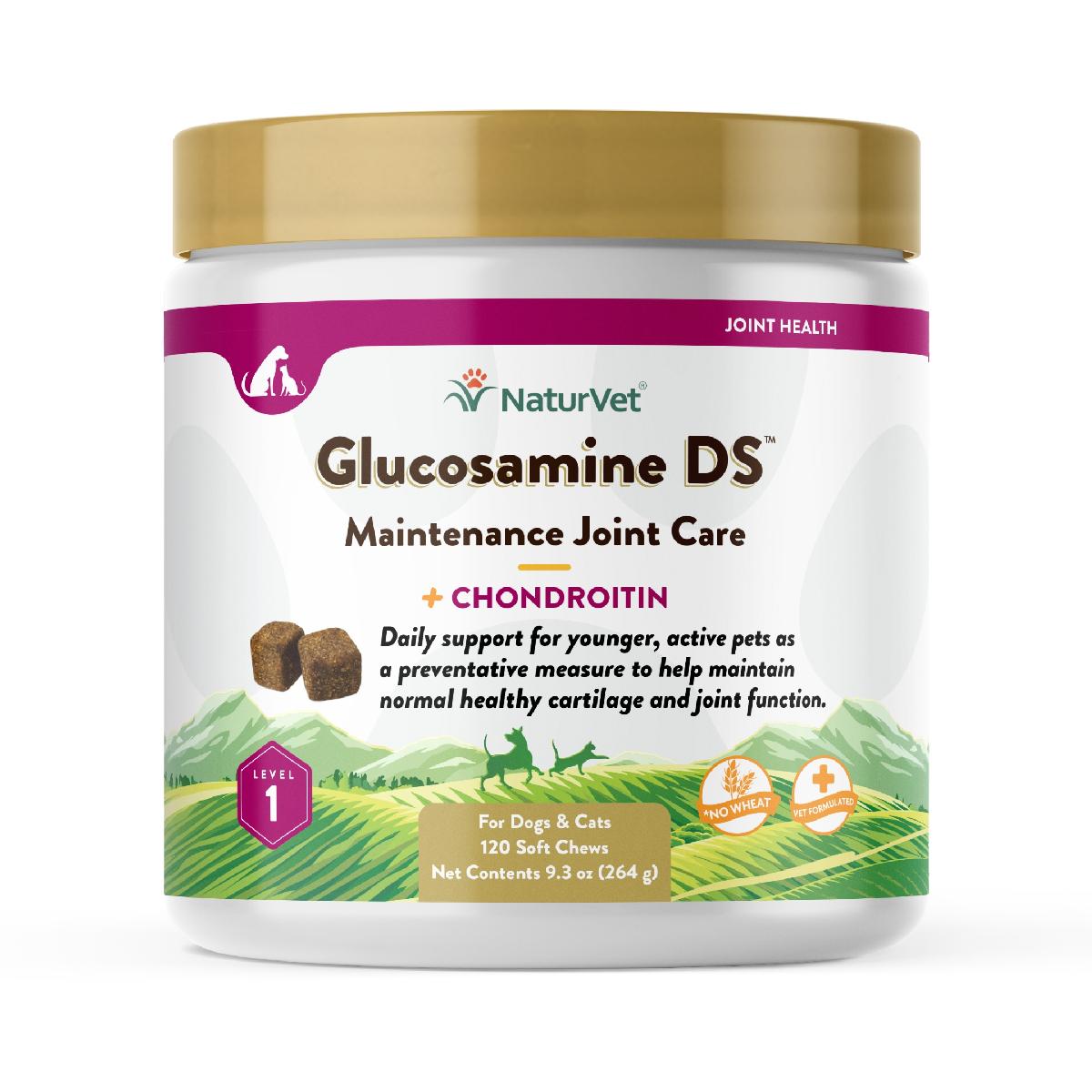
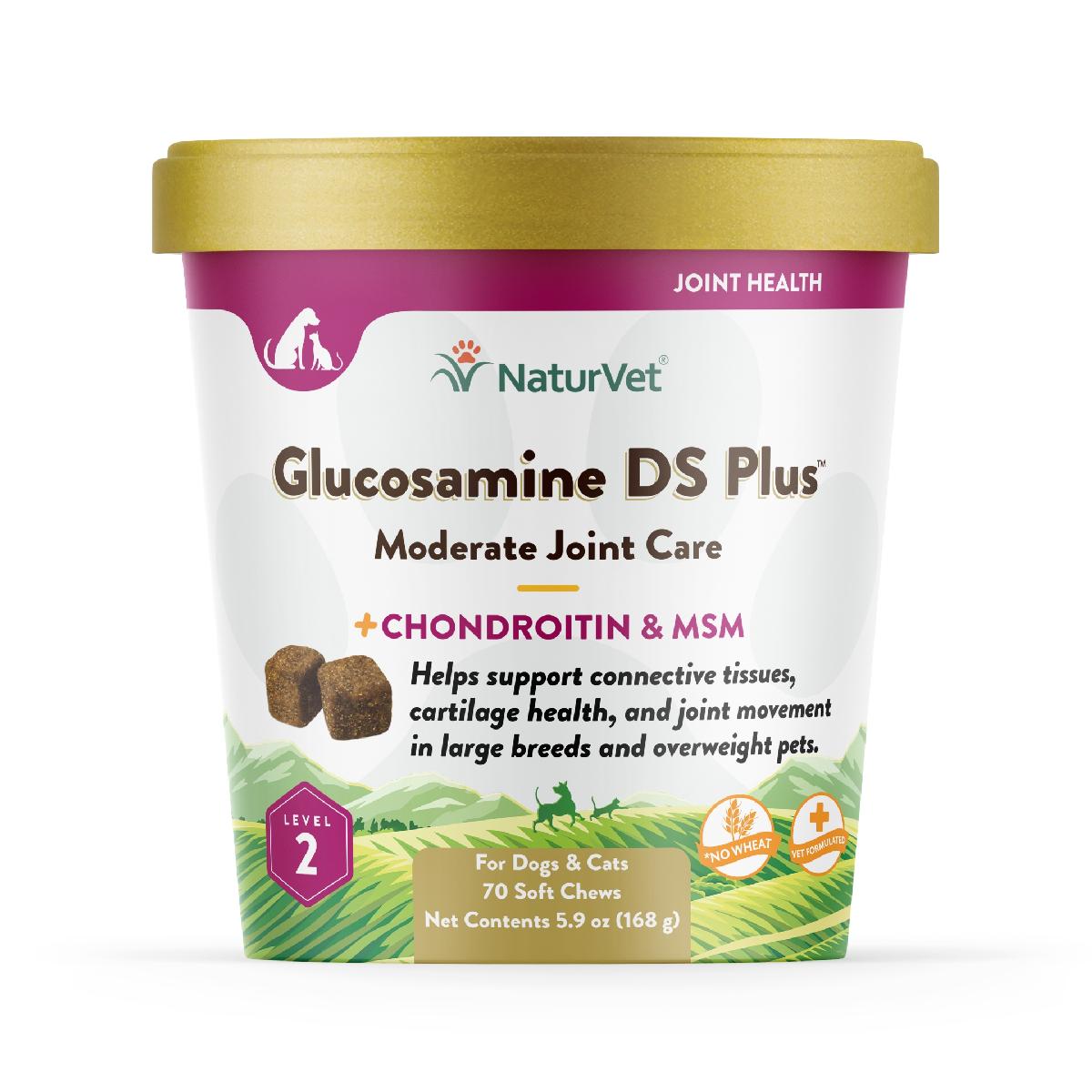
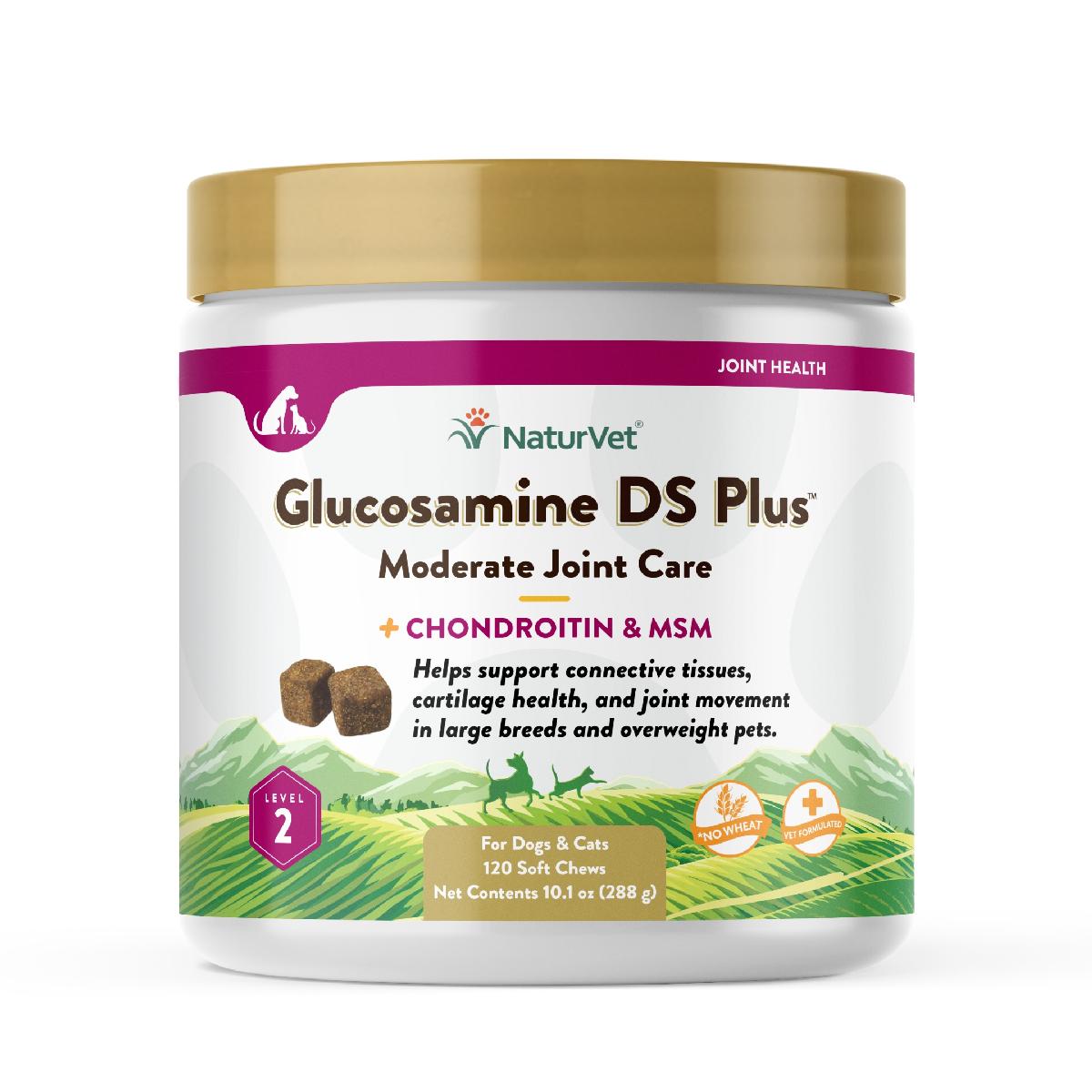
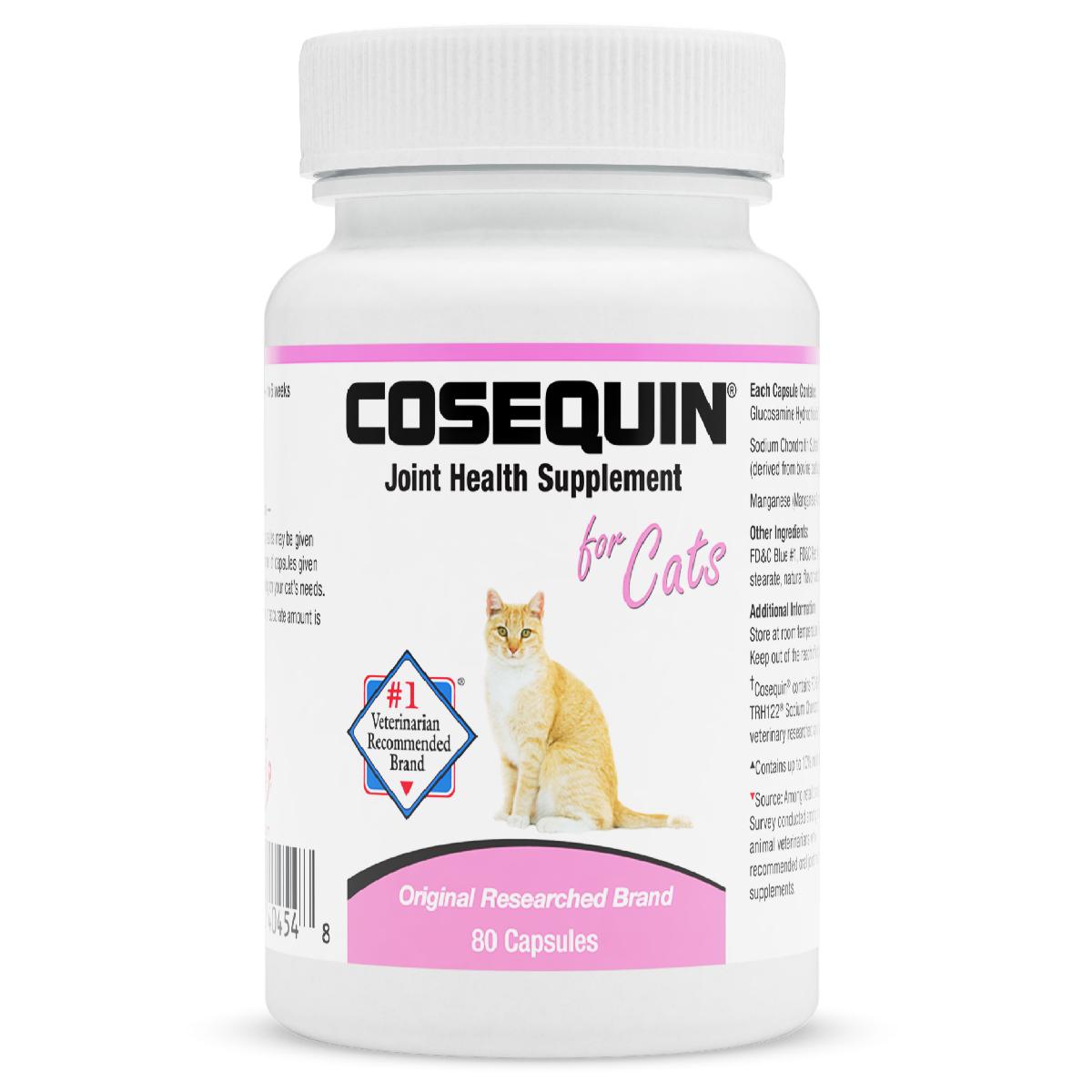
About Arthritis Supplements for Cats
Hip and joint supplements for cats can replace depleted nutrients due to arthritis, inadequate diet, poor absorption, trauma or aging. Joint supplements can increase the health of the joint and reduce pain by:
- Supporting new cartilage growth
- Reducing the inflammation that speeds joint damage
- Stimulating joint fluid production to make movement easier
- Slowing the rate of joint degradation over time
These effects occur gradually and over time, so it's important to start supplementing joint health in cats before they begin showing signs of joint pain. Because cats can struggle to make and use these nutrients as early as middle age, the earlier you start, the better.
Shop affordable, trusted brands. 10% off every order. Free shipping on $49+.
Frequently Asked Questions
What are the common signs of arthritis in cats?
Arthritis can sneak up on you and your cat. You may notice subtle signs of arthritis in cats first that become more pronounced over time, including:
- Reduced Activity - Cats may become less active, avoiding jumping or playing.
- Difficulty Moving - Noticeable stiffness or limping, especially after rest.
- Slow to Get Up - Instead of quickly bouncing up from lying down as they once did, they take their time.
- Trouble with Stairs - They may take the steps slowly and two feet at a time.
- Grooming Changes - This is more noticeable in mid-to-long-haired cats, who will need more assistance as they age. Decreased grooming leads to a matted coat, over-grooming of painful areas, and, eventually, infections.
- Behavioral Shifts - Increased irritability or withdrawal from interaction are common.
- Litter Box Issues - Reluctance to use the litter box due to difficulty entering or exiting.
How can I help manage my cat's arthritis at home?
Several practical strategies exist to manage cat joint stiffness and pain. These include:
- Weight Management - Cats who are overweight will develop joint issues earlier.
- Accessible Environment—Consider adding ramps, stools, and low-access litter boxes in easy-to-access areas to help them get where they need to go and promote more movement.
- Encourage Movement - Regular, gentle play can support joint health, reduce stiffness, and lessen pain.
- Consider a Heated Mat - Heat can be very soothing to achy joints.
- Regular Veterinary Visits - Speak with your cat's veterinarian for advice.
- Joint Supplements - Starting joint supplements early can drastically reduce joint pain later in life.
Are there supplements that can support my cat's joint health?
Yes. Look for a cat joint supplement that contains evidence-based ingredients like:
- Glucosamine, Chondroitin, and MSM make up the joint and are critical for lifelong joint health
- Hemp products can reduce inflammation and also contain other joint-supporting nutrients.
- Omega 3 and 6 have been shown to reduce inflammation in joints.
- Antioxidants fight free radicals that damage cells.
When should I consult a veterinarian about my cat's joint health?
It's never too early. They can help your cat maintain a healthy weight and keep healthy joints for a lifetime. If your cat is in pain, you should talk to your cat's vet about how to make them comfortable. Most joint supplements for cats are available without a prescription.
Can weight management impact my cat's arthritis?
Yes. If your cat is overweight and showing signs of joint pain, helping them lose weight can lessen the strain on joints, ease pain and inflammation, and allow joints to repair themselves with the proper nutrients for a quality cat joint supplement.